
As a transition specialist, I love a good data graph. Show me progress-monitoring charts, benchmark trends, and growth percentiles—I’m in. But here’s what I’ve learned over time: academic data alone does not predict adult success.
And the research backs that up.
When our students leave high school, their outcomes hinge just as much on emotional regulation, coping skills, persistence, and autonomy skills as they do on reading levels or algebra credits.
And the research backs that up.
The Council for Exceptional Children emphasizes that research-backed special education practice requires using data to inform decisions across academic, behavioral, and functional domains—not just content areas. Similarly, the Division on Career Development and Transition (DCDT) highlights self-determination, social competence, and career readiness as critical predictors of post-school success.
So the real question isn’t whether we should use mental and behavioral health data. It’s: how do we coach our staff to actually do it?
Lyndsay Palach Shelton, MA, LBSII
Redefine What “Counts” as Data
Anchor It in Transition Requirements
Lyndsay Palach Shelton, MA, LBSII
Shift from Incident Reports to Pattern Recognition
In many buildings, behavioral data gets attention only after something explodes.
Instead of: “What happened?”
The Council for Exceptional Children emphasizes data-based decision-making as a cornerstone of effective special education. That includes identifying variables and adjusting instruction—not just recording events.
But coaching staff means helping them move from documenting incidents to analyzing patterns. This is the perfect role for job coaches or paraeducators.
Instead of: “What happened?”
Try:
- “What pattern do we see?”
- “What time of day does this occur?”
- “What adult response seems to escalate or de-escalate?”
- “What skill is missing here?”
The Council for Exceptional Children emphasizes data-based decision-making as a cornerstone of effective special education. That includes identifying variables and adjusting instruction—not just recording events.
Coaching move: During team meetings, build in five minutes for hypothesis testing. Treat behavioral data like academic data: something we analyze and adjust based on, not just file away.
Build Comfort with Mental Wellness Metrics
Make Sure the Data Leads Somewhere
Keep Adult Outcomes Front and Center
Lyndsay Palach Shelton, MA, LBSII
Final Thought
If we only use data to measure academics, we prepare students for tests. But if we use data to measure regulation, resilience, and self-determination, we prepare them for life.
The Council for Exceptional Children and the Division on Career Development and Transition both reinforce what many of us see every day: postsecondary success depends on more than content mastery. Coaching staff to use mental and behavioral health data isn’t about adding more to their plates. It’s about aligning our data practices with what truly predicts independence. And from a transition perspective, that alignment changes everything.
Write your awesome label here.
Interested in school-based supervision?
Whether you’re a current school-based BCBA with an extra hour or two to spare every week or a current educator aspiring to become a behavior analyst — we’d love to connect with you!
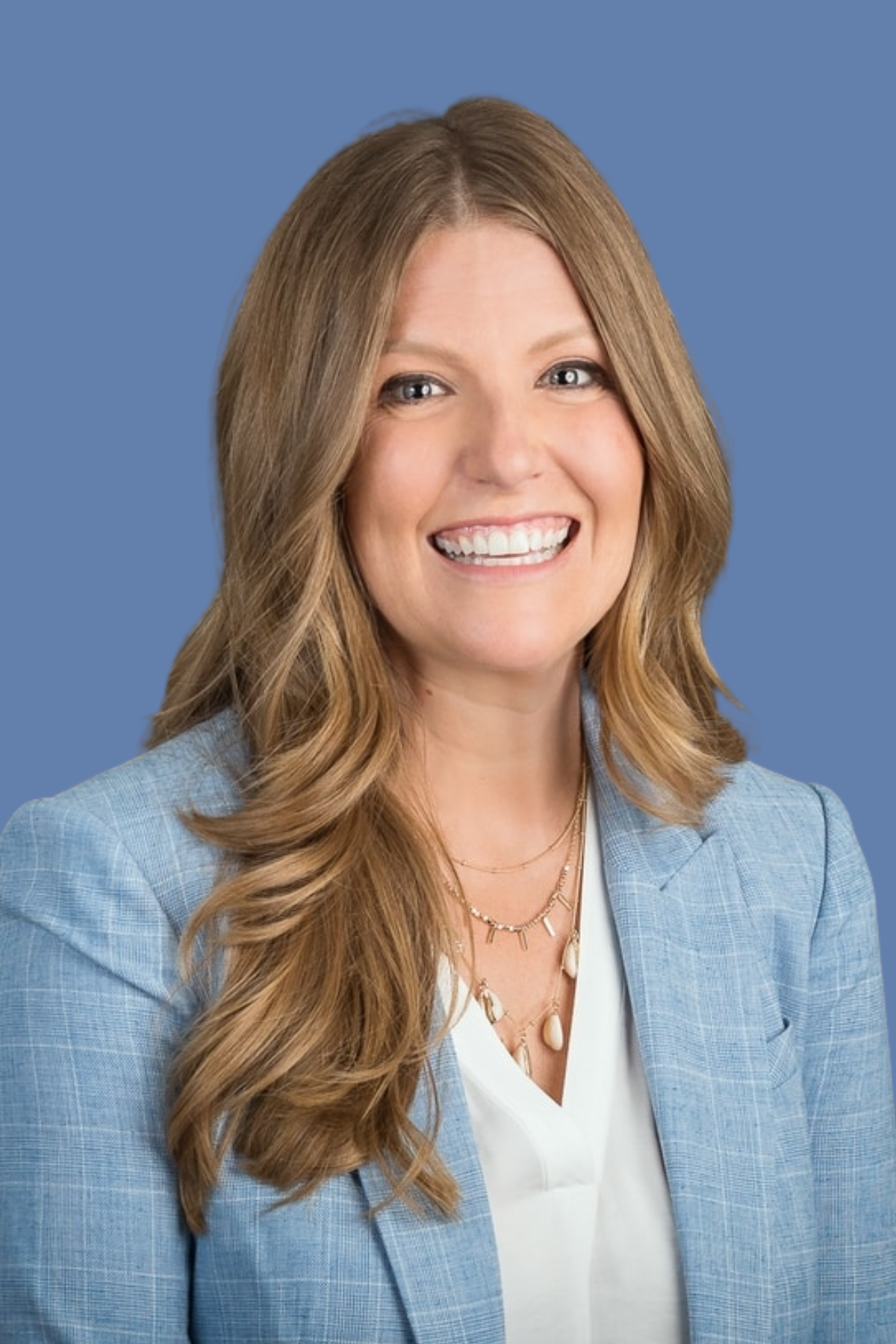
written by
Lyndsay Palach Shelton
Lyndsay Palach Shelton is a transition specialist who specializes in determining realistic and fulfilling individual goals while working with families to inform, support, and guide them through the complex world of special education. She has been a special educator and transition specialist in the public education sector. Outside of her professional work, she enjoys running marathons around the country, traveling with her family, and enjoying delicious vegan dishes.
Lyndsay is a Transition Specialist, Certified Vocational Coordinator, and Founder of Future SLTP with her Bachelors in Special Education, Master of Arts in Transition Education and Services, and certification in Cooperative Education.
Lyndsay is a Transition Specialist, Certified Vocational Coordinator, and Founder of Future SLTP with her Bachelors in Special Education, Master of Arts in Transition Education and Services, and certification in Cooperative Education.
University Product
product description in relation to blog post
Write your awesome label here.
Write your awesome label here.
Download our resource and start learning!
Learn the tools used by the world's top professionals. Boost your confidence, master the field, become a certified professional. We hope our guide provides you with valuable insights and practical tips.