A Conversation About...

A Conversation about
The Journey of Self-Compassion

Episode Description

This week, Heather and Waddell flip the script and talk about what it really looks like to extend compassionate care to ourselves. After spending weeks focusing on what we pour out for others, they pause to ask: how do we refill our own cups when life and work don’t slow down?

From trial-and-error self-care, quiet moments, and creative outlets to setting boundaries, seeking therapy, and choosing to try new things, this conversation is honest, unpolished, and full of grace. It’s not about a perfect list of steps—it’s about giving yourself permission to just be and figuring out what works for you along the way.

Key Points and Takeaways

  • The concept of self-compassion is multi-layered, changing from moment to moment, requiring a flexible approach.
  • Self-care strategies are highly individual; what works for one person may not work for another, indicating the importance of personal exploration.
  • Simple actions, like touching clay in pottery or spending time in nature, can have profound impacts on one's ability to serve others effectively.
  • Setting boundaries and investing in therapy can form crucial elements of a sustainable self-care routine.
  • Ongoing reflection and the willingness to adapt are essential in finding and maintaining self-care practices.
Podcast Guest

Waddell Hamer,
MSW, LSW

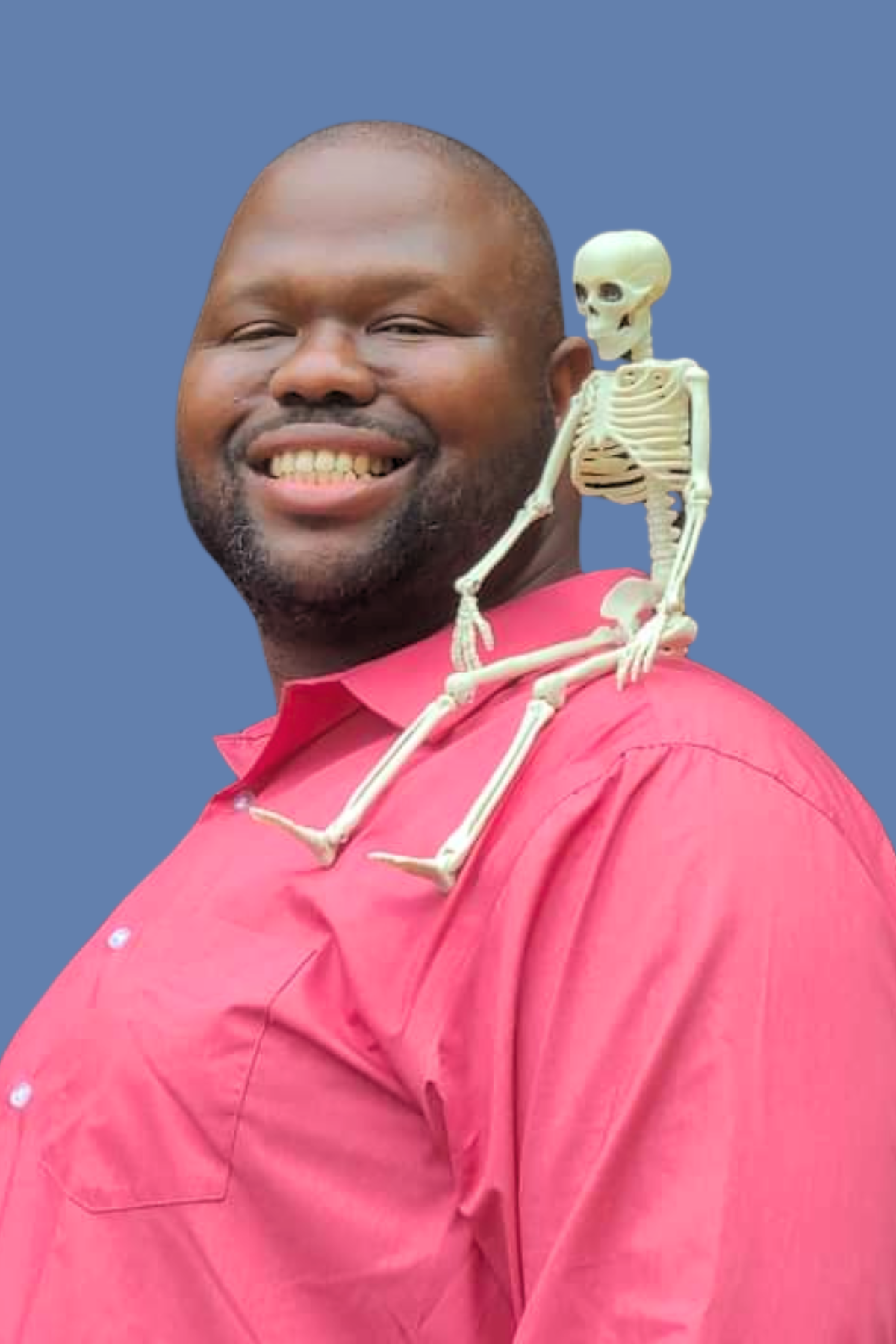
Waddell Hamer is a social worker specializing in motivational interviewing and trauma-informed cognitive behavioral therapy with children and adolescents struggling through depression, anxiety, and trauma. He has been a school-based and home-based life skills clinician with a focus on bridging services between the school and home settings, wraparound facilitator, home-based therapist through the pandemic, therapist for individuals who were victims of violent crimes, and social worker in a community health network. Outside of his professional work, he has worked to establish a NAMI community organization for mental wealth, integrates art and mental health in black and brown communities, and enjoys being the connector between people of his community. Waddell is a Licensed Social Worker with his Bachelors in Political Science and Masters in Social Work.
Looking for CEUs? Click "01 | Listen" below!


Host: Heather Volchko

Guest: Waddell Hamer

All right. So we have been talking a whole lot about everything that we need to pour out for others. So what we’re doing for them and how we’re supporting other people, what compassionate care is. We also then talked about how sometimes it’s not always easy, and it’s really positioned in the middle of a bunch of really sticky mess. See, either systems or social experiences, there’s a lot of tough stuff that comes with it. So it can feel kind of half-hearted or maybe overly optimistic to just say, so be compassionate, do all these things, be this kind of person, when in reality, there’s a lot of stuff that we’re up against and working within.

And it is a choice with a lot of effort behind it to be able to actually demonstrate that compassionate care in the midst of all of these other things that are also absolutely true. So this week, we are focusing all about self compassion and how can we extend that compassionate care to ourselves, and what that can look like. Yeah, just any ideas and tips and tricks, and things like that. So I’m going to lob that question to you, first off, kind of already knowing where your answer is going.

So what do you think? What does that self-compassion look like?

Yeah, when I figure that one out, I’ll let you know.

Right?

I’ll let you know. It looks different. Not just day to day or week to week. It looks different minute by minute.

Yeah, exactly.

As far as giving yourself that self compassion, I could tell you what I do for self compassion. I just turned a whopping 39 years old last week the other day. So I’ve learned a little bit about myself over time, and I know some things that are good for me. One, being creative. That’s where I do my pottery. That’s where I do other things, whatever space I could be in to either be creative myself or talk to creatives, or learn from creatives.

That’s something that’s very important to me. Being out in nature is another thing that’s very important to me. I love going for hikes and walks, and stuff like that. I always tell people that the forest is where I go to find God and where I go for that spiritual connection. So that’s another thing. And people being creative, being in touch with nature and specialty, and being in touch with people, those are things that I need in order for me to recharge and rejuvenate. But even as I said, those three things it change from time to time. It changes from time to time.

Sometimes I’m better at it than others. Sometimes I know I need to take care of myself, and I don’t. Sometimes I know I need to not slip into these bad self-care patterns. And I do. It changes from time to time. And if anyone says that they have any idea how to do it 100% correct, they’re lying.

Well, that was part of what you and I were talking about before we started recording, right? 

It’s just what’s the twelve-step plan to caring for yourself so you can care for others? It doesn’t exist. Every person is different. Every season is different. The stresses and tensions that I’m under, that is why I need to care for myself, is different, right? So it’s all over. I mean, I’m even thinking, listening to you kind of talk through, like, these are the things that I know for me, allow me to be positioned in a way that I can care for people that are walking through hard stuff.

Even just listening to your list, I’m going, I got, like, one of those overlapping, right? But then for me, it’s completely different, right? So for me, it’s silence, it’s space. It’s being able to get up early or walk around the house in silence. There’s just not a lot of commotion and a lot of noise. That allows me to just kind of breathe and pull it all back together. Just space to dream, think, innovate, wonder, play the what ifs in my head, of all of, like, wouldn’t it be cool if to just dream and have that space? Because I know when I’m really stressed, it’s not dreaming. It’s not being imaginative or thinking about those positive potentials.

It’s literally the grind of just, like, what’s in front of me. Get it done, right? And if I’m not kind of taking that opportunity to step back, then I just get stuck in the to-do list, and I don’t have that moment to just pause and breathe and dream and imagine. And for me, that’s a quiet thing, right? So I love people. My job is people. Everything is people. Our house is usually filled with people, but that’s a different kind of filling, right? So that, for me, is, like, where I just get to be, right? I’m not serving, I’m not actively in the kind of work that, if you will, and I can just enjoy community and doing life with people.

And that’s incredibly filling, right? But I’m not necessarily filled by people. Like, I’m personally filled by, give me some space, give me some silence. Put me out in the middle of the woods for a week. I am game and just, like, let me dream and imagine what could be, and then come back, and I’ll hit the road running. Like, let’s go, right? Most people know that, like, around TLC, if I’ve stepped away for a little bit, they’re like, bracing for impact when I come back, and they’re like, oh, no. What’s the next idea? What’s the new thing?

Where are we headed? Yeah, it’s just. It’s different people, right? Different people. But I think it’s also different seasons. Things will show up differently.

Different times. Yeah. What I tell my kiddos that I work with, I think of it like a toolbox. And you have these different coping skills or these different self-care skills. Sometimes you don’t need a Phillips screwdriver. Sometimes you need a flathead screwdriver. Sometimes you need a wrench or whatever. Or whatever. You got to have these different tools and different things or whatever. And sometimes you ain’t got it in the toolbox and you got to figure out a new tool to put in the toolbox or whatever because it changes over time.

Again. The self-help books make me vomit. Oh, you just do these twelve steps and you’ll have… get the heck out of here. Again. I’m trying not to curse. Give me a break. Come on. That’s not reality. That’s not life.

We’re talking seasons, too, but some of it is just situation, right? Sometimes it’s not feasible. Like, I can’t do shopping sprees and spa trips. And I think that’s where I struggle with sort of the self-care movement, is to just disband everything.

It’s cold right now! I want to go walking right now. Guess what? I won’t enjoy that. I would not get the same gratification I get normally out of walking if it’s like, freaking cold outside, and I’m bundled up. I’m sorry. I’m not going to get the same gratification. So it’s like, okay, this is literally a season where walking isn’t going to be a part of the equation.

Right. Well, I mean, for me, I’m in a school building and I get pulled into a crisis situation and I’m walking down the hall receiving information from someone about what’s going on and what we’re about to walk into, and especially if it’s not a building I’m familiar with. They’re also briefing me on their protocols and what they do and don’t do, and I’m like, catching up to speed while I’m walking, right?

So in that moment, for me, those are huge self-compassion moments. I need to be centered, and I need to be seeing what I’m walking into as honestly and accurately as possible. And so that situation, that is not a Saturday morning in the quiet of my house, right? But I still need an aspect of that self compassion to keep me grounded, to keep me present, and to keep me in a place where my own human self can show up and truly, genuinely support whatever human has whatever need is going on at that moment, too.

Absolutely. You have to be versatile within your self-care and your self-compassion, like, whatever, just for those different situations, different seasons, and whatever you have to be. If I’m in a scenario like you or whatever and it’s stressful, I can’t tell you how many times I’m in a session with a client and it’s stressful, and I allow for my brain to daydream a little bit in the middle of the session and think about happier things.

I have to do that because if I don’t, I’m going to lose it, and no one wants me to lose it, especially myself. So give me that five to 10 seconds to think about that daydreaming scenario. And that’s just like in the moment situation or whatever.

And you’re not leaving the person, you’re not spacing out. You’re literally just grounding yourself so that you don’t get on the emotional ride with them, because then you can support them through it as opposed to just getting into the middle of it with them.

Right. And you have to do that. A lot of that comes from, again, I’m of the older age or whatever, but a lot of that comes from growing and knowing who you are and knowing yourself and knowing what you’re about and stuff like that. And it takes time.

I think it does take time. I think it takes time, and I think it also kind of takes some trial and error. Right. Like making that choice to see, does this work for me? Does this not work for me? Or having those reflective moments to realize I have not even tried anything, so no wonder I am stretched so thin or feeling these kinds of ways, right? It’s sort of a trial and error thing, even if part of the trial is not trying anything and then finding kind of the errors in that, but then, okay, go back into i,t and what are those things that could work for me? All right, I’m going to try this. Try that, right? Like going to the gym certain times a week or going to a certain kind of class at the gym or those kinds of things.

Whatever it is, give it a shot. Does it actually have the result that I need it to have in my life so that I can continue to show up and be present and be compassionate and meet all the needs of people that are coming at me in such a way that I am not pouring from an empty cup, if you will?

Yeah, absolutely. I love how you talk about just the different things and spaces, and ways that you have to take care of yourself. I’m not going to say where. When did you start discovering some of these things? And the reason I asked you that is because so, I’ve always known I was a creative. I like to create things. But you would have never heard me say that I like art or I’m an artist before pottery, before I discovered pottery.

It’s funny because people who, and maybe you are, maybe you know me, you’ve known me for a long time. Maybe you’re like, of course, you just need to find your artistic expression or whatever, but I would have never known that, but like, so where did you, I don’t know, learn some of this stuff about you?

Empty space, drag to resize
It looks different, not just day to day or week to week. It looks different minute by minute.

Waddell Hamer

Empty space, drag to resize

Before we even hit record, we were both kind of like, I don’t know that we’re the people to talk about this. We don’t have those great examples. And I think for me it has been trial and error. Some of it has been very practical, right? I was a teacher and was working in a position where a couple of my students, it was actually written into their plan because they had some self injury stuff going on, that there was an active level of restraint that needed to be part of their programming to make sure that they weren’t truly causing themselves bodily harm.

But that meant that I needed to be stronger than my middle school boys. And so I was like, hey, I’m going to go to the gym, right? And then I realized that by stepping away from my desk, going to the gym, grabbing some dinner, and then coming back, and I still pull crazy hours and live the teacher life. But by putting that pause in between getting my guys out the door, getting the after-school meetings wrapped up and all those things, then going, hitting a gym, grabbing some food and coming back, my health was better. I was more focused. I was able to do more work even, and work faster after I came back. And so then I was actually working less because when I was working, I was so much more present.

And then I was able to see my guys are getting bigger and stronger in that developmental part of life and can I actually serve them in the way that they needed to be served in those moments? And can I walk that through with them? That was just a very physical, practical, tangible thing. But I then started seeing kind of all these other, I don’t know, side effects, I guess you will, of working out or of choosing to step away for a minute to work out, eat, and then come right back at it that I was actually working faster or I was more focused, those kinds of things.

So to me, I started going to the gym because I was like, I need to make sure that if I have to be put into these situations, that I myself can stay safe and I can keep the safety of those that I’m working with, my student included. So if something went wrong in a hold, if that was because I muscularly could not handle what needed to be done at the moment, that’s why I started working out, but then noticed, oh, my gosh, there’s so many other things that come from that. And so for me now, I’m like, okay, when are we up? When are we out? When are we walking? What are we doing? I’m constantly trying to integrate that into programming with different districts that we’re working with.

It’s more than just like, let’s go on a walk, right? But how can we be active in what we’re doing? I’m not as strong a proponent as maybe some of the health ed folks out there, but it’s been a big part of it. I think also partly because I’ve worked in corrections and physical freedom is not necessarily part of the game. And then working with students, with the emotional and behavioral challenges, people get fearful.

Like, if they’re in their seat, they’re contained, and then I can feel safe because they appear to be contained. Once they start getting up and moving around, then I get fearful, right? And then I’m not grounded, and now I’ve got these things. So to me, it started from just a very practical need of, like, I need to be able to serve my student in this way. And then I started noticing, wow, there’s actually a lot of things that come from that and what could that look like?

And then that’s just different seasons and different things and exploring different potential ways that it could impact more than just that immediate need. But it’s actually permeating in a lot of different ways. But I think for me, it’s also reflection. I think I’ve always been a reflective person, and so I’m always noticing, like, I haven’t been trying anything lately. That’s on me. I need to figure out a way to start getting some time back in my schedule to start choosing to try some things or noticing, hey, I tried something, and, wow, there were a lot of other outcomes to that that I did not anticipate.

And then just fitting that in, right? Like, how does that make sense in my current moment in life, or how does that make sense to other people around me? And just kind of seeing where that goes.

That was kind of similar to how I discovered pottery. The joke, I always say, but there is some truth to it. My wife kept on telling me that I started doing it in the middle of the pandemic, in the middle of 2021-2022. 2022 and 2023 is when it really took off. And I always joke around, and there’s a lot of truth to it. My wife kept telling me, hey, it’s a pandemic. You can’t destress by going to talk to strangers at bars anymore.

You got to come up with something else to do. So it’s like, I knew she was right, but I like talking to strangers at bars. That’s another coping skill and self care thing. So I was like, you’re right. It’s a pandemic. And little by little, I discovered Potter. The more I discovered another. It awakened something within me. It woke me up in a way that I had not been awoken in a long time.

I saw all the other benefits. I saw the benefits with work. I saw the benefits with testing, and just so many other benefits to me doing pottery, me destressing doing pottery, like, just having a sensory of touching clay and touching dirt. There’ll be times I’m on the wheel, and I’ll make absolutely nothing, I just want to touch the dirt.

Yeah, well, and I think you’ve done a really great job with, I mean, part of, I think, self compassion, self care that we’ve talked about at TLC is. And that’s. That’s coming up for me, because I know there have been times where I’m like, hey, do you got a minute? Can I bug you on something? And you’re like, hey, I’m at the studio. Can I call you after, or I’m going to step out, but you’ve got five minutes, right? Like, this is my thing.

Don’t mess with my thing. Like, this is my space, my time, right? And I need this. And I’ve appreciated how you’ve drawn that boundary, right? Before or after, a couple of minutes during, but I’m cutting you off. We’re done. Right? Like that you hold that boundary but I think boundaries are also self compassion in a certain kind of way, too.

It’s self compassion and showing respect for yourself and showing respect for others as well. That’s one of the things we talk about in social work or whatever. You can’t blur that line too much. You have to set those boundaries. You have to be strict about those boundaries. It may seem like, oh, you’re being the ahole right now or whatever, but at the end of the day, it’s going to benefit you, it’s going to benefit the other person.

Everyone’s going to benefit from those boundaries.

Yeah. And I mean, I think in the roles that we have and the people that we serve and the communities that we’re integrated with, I think by choosing to have some of those boundaries in our own ways, we’re kind of mitigating our own burnout so that we get to continue to show up.

Absolutely. Like you said, when I go to the studio, I’m there. I’m in the moment. I’m present. Nothing else is going on. And that’s going to help me be a better therapist in the morning. That’s going to help me be a better husband, that’s going to help me be a better son, a better friend, a better whatever. Give me those moments. Give me that time. Like, boom, this is it. This is all that matters right here, right now.

And, like, being. You’re in Chicago, and there’s a famous line from, a famous song from Common. Common sense on his album, be like, just be. Sometimes you just got to be in the moment. Just be.

Yeah, but I mean, how true is that in any given moment, right? I find it’s really easy for me to just be when I’m sitting in the middle of the woods and can just take in nature, right? I think that’s something you and I have a whole lot in common, but I think there’s also a sense of, I’ve been in crisis situations, like legitimate crisis, and there is an aspect of just be right? Like right here, right now.

Just be. And so how do I do that? I mean, that’s where I tap in, kind of like you’re talking about the toolbox, right? Tap into different strategies at different times in different seasons with the goal of allowing me to just be so that I can serve not just now, but through hopefully a long career and with lots of people in the future. Yeah, exactly.

Right. Again, we talked about this. The list or whatever. I don’t want people to think again. I’m giving you a list of what to do. I’m saying this is what works for me at certain moments at a certain time. And if you haven’t discovered what works for you at certain moments at certain times, that means that your journey isn’t over yet. No one’s journey is over yet. You’re constantly learning, you’re constantly evolving. You’re constantly growing.

I don’t know. Some people like cooking. Some people like eating. I’m fat. I love eating, sometimes that’s a tool. Different things for different people in different seasoning works. And there’s 8 billion people on this planet, so there’s no book for what works for one person and that it’s going to work for others.


Empty space, drag to resize
Sometimes you ain't got it in the toolbox, and you got to figure out a new tool to put in the toolbox.

Waddell Hamer

Empty space, drag to resize

Yeah, but I think at the end of the day, it just comes down to that choice, right? Like, I need to choose to try some things, right? And it may work. It may not. It may work now and then it doesn’t work next month, right? Or it worked in this situation for me, and then it didn’t work in a very similar situation later, right? So then, okay, what is it about it that worked for me initially? And then how can I do something that then gets that kind of similar result, right? But it’s that choice, right?

I think people like us are natural givers. Most of people that we are pulled in to work with through TLC are drawn to probably overextending themselves. And so it’s a given, it’s automatic to care for others and to extend that compassion and to do that work on behalf of and with other people. And it’s really hard and can sometimes feel selfish to do that for ourselves or with ourselves or with community kind of on behalf of ourselves.

And so I think without a list, without some twelve step program on choosing to care for yourself, it’s just, how can you make that choice, right? If nothing else, are you making the choice to at least try some things and see how that works or doesn’t work, how it shows up in your own life?

Yeah, like I said, there are times I’m better at doing it than others.

Oh, yeah.

There are times where I, like, kick butt in doing it, and there are times where it’s like, I know what to do. I know the right steps. Another thing that’s a huge self care for me. I just thought about it. I don’t even know why I didn’t include this is therapy. I go to therapy. Therapy is huge. Therapy is. I don’t know if listeners remember the old hair club for man commercial. There was this old hair club for man commercial.

Where the guy was like, follow me. He’s like, I’m not only the hair club president, but I’m also the client. That’s how I am with therapy. I’m not only the therapist, I’m also a client. Therapy is huge for me, and that’s a huge, huge part of my self care, because I need someone to help process myself with. I need someone to help talk me off the ledge or whatever. I mean, that’s part of where friends come from as well.

But a therapist, if you never tried one, go get you one.

Yeah. And like you said, if you have supportive community around you and people that can really step into that with you and can help you in the ways that you need help, you’re choosing to receive the help, then you’re professionally turning around and offering right back out. But especially if you don’t have that community seeking someone who can choose to walk that with you, if that’s through a formal therapy sessions, if it’s through counseling, if it’s through mentorship, if it’s through whatever avenue, but someone who’s actively choosing to invest in you, even if they’re simply investing in you so that you can figure yourself out.

I’ve got people who speak into my life in all kinds of different areas and different people who call things out within me and kind of in different seasons, and that has been a total game changer, right? I wouldn’t be where I am now if people weren’t doing that with me and for me the whole way through. But I have to choose to be open to that. I have to maybe even choose to seek that and then kind of see where that takes me.

Absolutely. You got to have those people around you. You got to have the people around you. You got to have people that are invested in you and invested for you. But what I mean by that is not so much trying to take advantage of you, not so much trying to eat off of you, but they are invested for your growth, for your self preservation, for the work that you’re doing for others.

Exactly. Well, thank you so much for having this conversation, even though neither one of us feel fully equipped or prepared to speak as experts in this area. Yeah. So thank you, and I’ll catch you next week. 

Alright!

Bye.


Empty space, drag to resize

Little Bits of TLC Blog

Self-Compassion in Education: A Practical Guide for School Professionals
Write your awesome label here.