
A Conversation About...
A Conversation about
Professional Development and Networking
Episode Description
Key Points and Takeaways
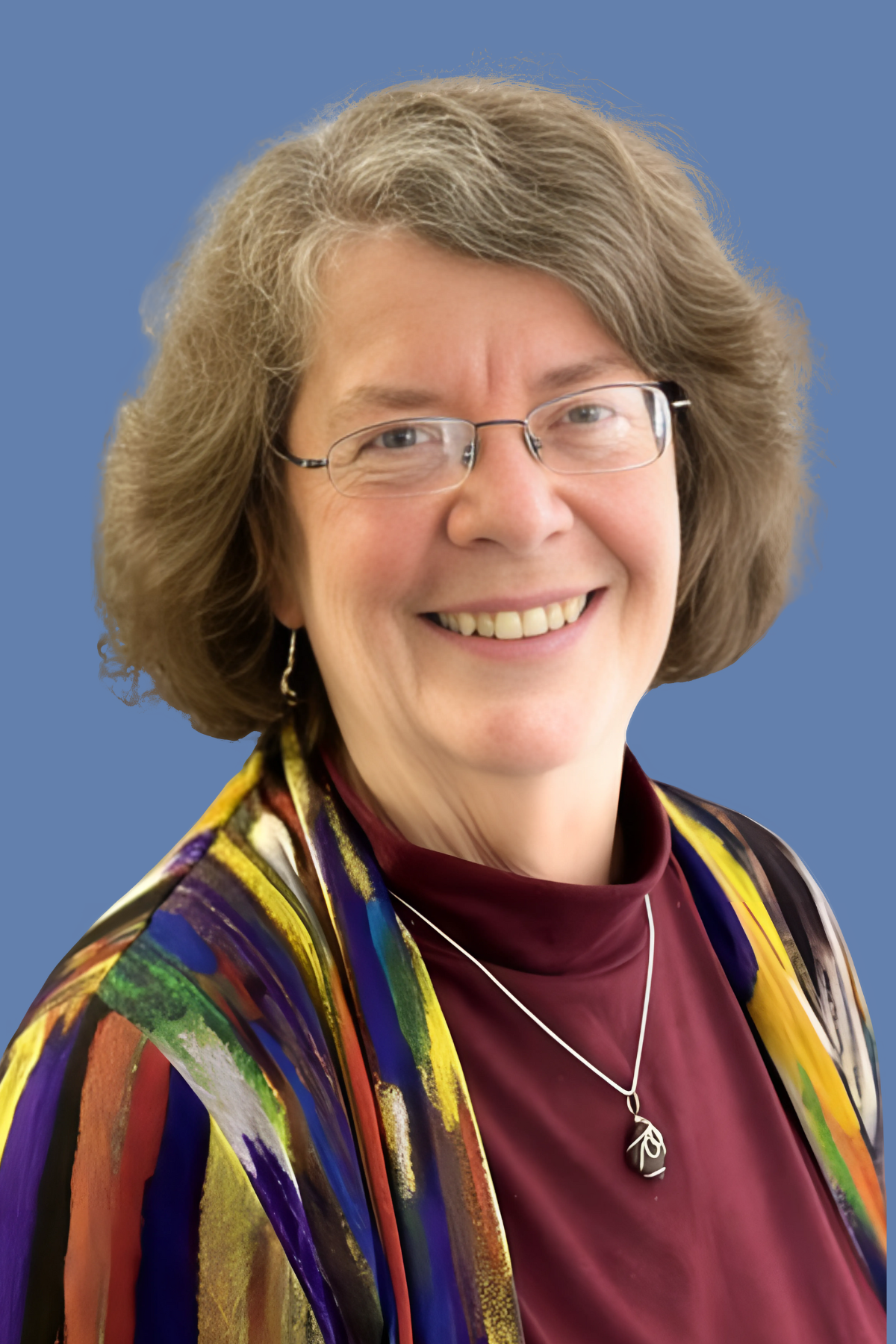
Ann Potter,
MSM, MEd
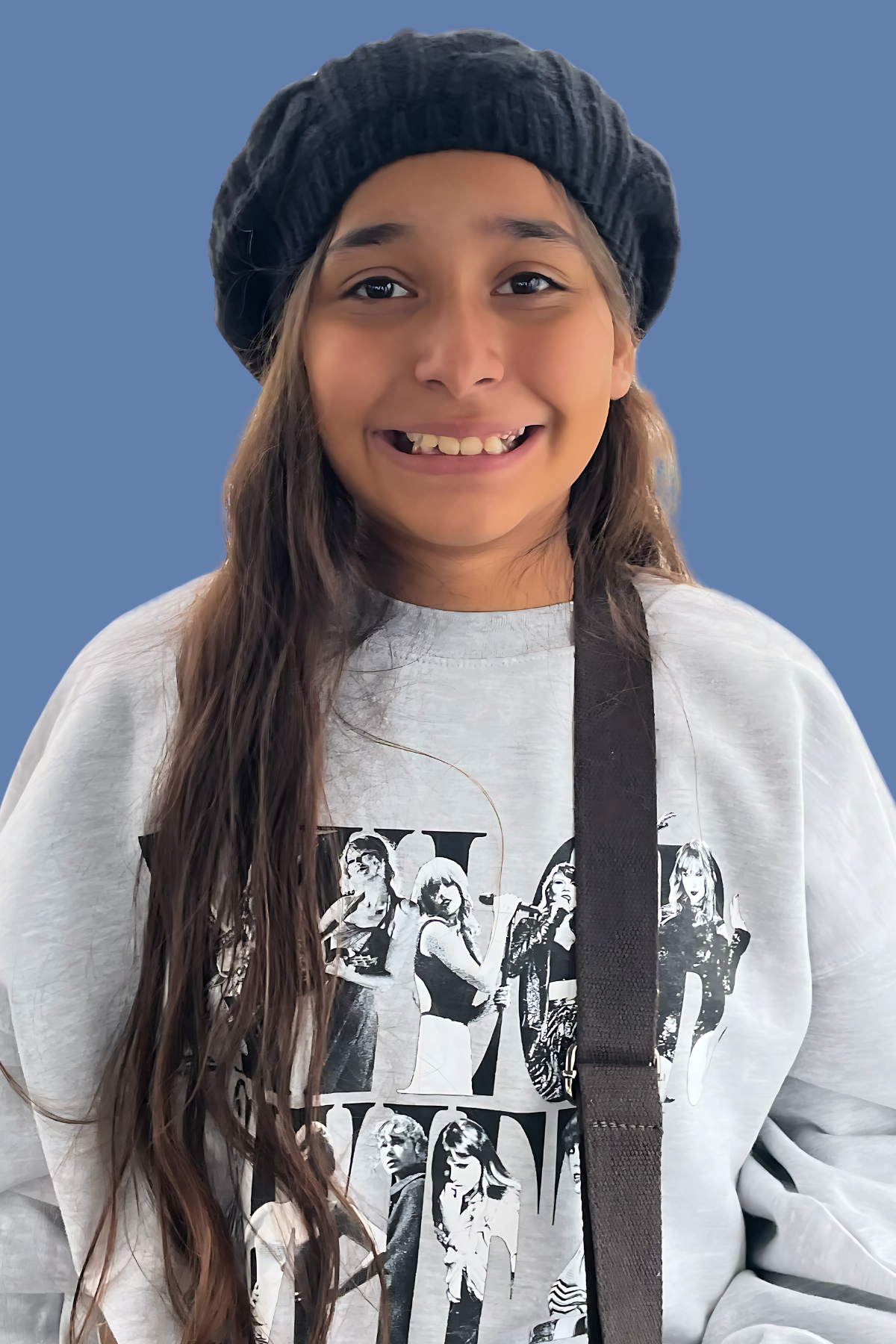
Miss Makayla
Yeah, I like that story because, yes, I can acknowledge what you have and what you’re learning because we’re all trying to figure it out sort of together, too. And so it’s like, well, here’s what I saw. Here’s what I did. This worked. This didn’t work here. Learn from what I did. Learn from what I’ve been experiencing, so that you can learn even faster. You don’t even have to necessarily learn it now. You can just pick it up and do it.
So I think that’s really cool when you’re all trying to figure it out together. And I think sometimes in classrooms, it’s sort of the same. I know myself. I’ve been in situations where I’m trying to learn things with my peers, and we get to sort of share that information or share that learning experience, but different people are learning different things in different ways or at different times. And so we can put that all together, kind of for and with each other.
And I’m thinking, even Makayla, like, you’ve shared stories from school where you have to do, like, a group project or you have to pick partners, right? And so your teacher tells you, okay, here’s what we’re doing now, you know, find your groups, make your groups, pick your partners, those kinds of things, and go. And you’ve done some really cool decision making with, like, okay, I want this person to be in my group because of these reasons, right? Or we partner really well together because she’s better at this and I’m better at that. And together we’re going to do amazing, right? Versus being like, well, these are all the people that think exactly like me and do the exact same things as me, so I only want them in my group, right? You’ve done some really cool decision making about, who do you even pick to do the work with?
Makayla: Yeah. We’re making a roller coaster as our project to describe Newton’s laws. So I picked this one girl in my classroom because she was great at knowing the laws, and I knew she was a great explainer because she taught me a lot if I didn’t get it. And I knew I was pretty good at building the roller coaster, and I could get supplies, and together we were like, okay, well, I can get more of the materials, and we could both build, but I could do a little bit more, and we could both explain, but you could do a little bit more.
So it was just that kind of teamwork where we both knew, but we kind of just got a little bit more of something to kind of balance it out, and we can work together and make it work out.
Ann: And that’s what’s really neat. Where you work together, you balance things out, and you’ve got the ability to go across a number of different people to take advantage of each of your skills and threats. One of the things I noticed sometimes in the classroom is, as a classroom teacher, sometimes it felt like a silo where if I don’t know it, that reflects badly on me. So I can’t step out of my silo to ask for help, to tap into that resource you have did a great job of identifying, “these are the skills that this person has. This is the skills that that person has. These are the skills that I have. And together we make an awesome team.”
Sometimes in education, I feel like I can’t step out of my box because then somebody might look in my box and see what’s missing. So to have the strength and the ability to look out and see these are ways that I can collect a team that produces a quality result is really an amazing skill that’s, for a lot of us, hard to put together.
I just had that conversation with someone I’m starting to get to know, and they were talking about. So sometimes in behavior analysis, there’s kind of a school of thought that, well, we work with behavior, and so if it has behavior, then we’re an expert, and we’re having the conversation of going, are we? There’s a lot more to it than just like, I know this one thing, so therefore I know everything.
But then it can also be a little terrifying to then say, oh, shoot. Well, that means that if this thing is my thing and you also know it, but you know it in a different way, does that make me worse than you? Does that make me better than you? How do we compare? If we’re both. We have sort of similar things, but maybe we approach it differently. Who’s right? Who’s wrong, right? And I think sometimes professionally, we can kind of get into that spot.
I think, honestly, even in peers and friendships, we can get into that spot where we’re just comparing ourselves versus someone else, like, where they’re at in life or what they have, or what they’re doing, or just those kinds of things. And I think when that shows up professionally, it kind of undermines the network. That you can’t just say, hey, here’s what I’m really good at, and I’ve got some overlaps with you, and I see you’re really good at this, and I’m not right, but you’ve got some pieces that I do, too.
Can we truly just honor and acknowledge each other’s strengths and be awesome at that, and also kind of help each other out through it in those pieces that maybe the other one has better than the other? But I think that is really, I think, can kind of be uncomfortable because to say, hey, you’re really good at something means I’m probably not, right? So I’m acknowledging, oh, I’m not very good at this thing, but you’re awesome at it. And to have that conversation in a way that is like, I think you’re really cool and I think that’s really amazing, and not end up being like, and, woe is me, I really suck. This is horrible. I should know everything, you know, and I should be as good as you are, right?
To not have that part of our personal experience. I think it can be hard, it can be uncomfortable to acknowledge what we don’t know while we’re also telling other people how cool it is that they do know those things. So I’m wondering for both of you, have you ever had a moment where you were, kind of recognized that you needed more skills than what you had at the moment, right? You needed to do something, and you needed to have these skills, and you just didn’t.
And you’re looking around, you’re trying to figure out, how can I learn those skills? Who do I go to? Is there a website I learn from? How do I learn this thing that you’ve then had to either fake it, right? Like, I need to pretend like I know more than I do while I’m learning this to figure it out? Or have you had a moment where you’ve kind of had to maybe be more honest in a way that might feel really uncomfortable because you had to sort of own, “I don’t know that yet, and I’m working on it, and I will figure it out. But I don’t know yet.”
Have you ever had either one of those experiences?
Ann: At one point in my teaching career, back when dinosaurs roamed the earth and we had very procedural computer programming languages, in one position, I was, I was asked to teach students how to program in a particular language that I did not speak. Now, realistically, computer programming is really just sorting out what you want to do, and then you translate the what you want to do into whatever language the computer speaks.
So I had always had really strong figure out what I wanted the computer to do skills, but I had not programmed in this particular language I was being asked to teach. So I am a programmer. When it comes to the translation, I only need to be a week ahead of what the procedures are going to be. So, yes, I stood up in front of the classroom for an entire semester, and I was always two to four weeks ahead of them in the actual syntax of the language, but I could teach the whole problem-solving, and how to construct the solution.
And then if they asked me a particular detail on the syntax, it was, I think, that’s how you do it. But I’ll double-check and get back to you.
Oh, cool.
Ann: So you smile and nod and give every illusion that you know exactly what you’re doing till you don’t. And then you go screaming for help.
Makayla: For me, it was a time where I was reading a book with like the whole class was reading this one book. So I had been a chapter or two behind, and I kind of just took what everybody knew, and I kind of just used anything I could and kind of built up my own thing. And then I asked a friend before what was in these chapters, can you kind of summarize, give me a summary of it? And, yeah, that’s what I did. So I acted like I knew everything about the chapters, but it worked out.
Yeah, I love that, like both, Ann, you’re saying, I think so. I’m not sure. But let me get back to you. Right? Because you’re kind of honoring the fact, like, I don’t know, but I will figure it and I will figure it out and I’ll get back to you, right? And I love Makayla, how you’re talking about kind of crowdsourcing, right? Like pull all the pieces together, get all the information from everybody. And to do that, you kind of got to say, because I don’t know. I didn’t read it. I don’t know yet, right?
Can you fill me in? And then you put all those things together and go, okay. I know more now than I used to. And here we go. Going to make the best of it, kind of learning while we’re doing or doing while we’re learning. Probably both.
Ann: But going towards that end as well, in almost every setting I think I’ve ever been, I cannot represent that I know everything about everything.
Thank you. That’s what I was thinking.
Ann: And most humans alive will acknowledge that they don’t know anybody on the planet who knows everything about everything. So anytime I’ve been asked questions, both in a professional setting, working with students in a community setting, I have always been ready and willing to say, I don’t know that detail. I don’t know. I’m straight up front, don’t know. But either I can figure out how to figure it out or I can say I don’t know it, but that person over there has dipped their toes in those waters before. Go talk to them.
So I think that establishes some credibility with whatever population you’re working in where you just acknowledge that says, I don’t have the knowledge and the experience in that particular nuance, but we can figure it out and if you’ve got time, we can figure it out together and then you both develop some more development skills, I wonder skills and figure it out skills.
Yeah. I love that this whole conversation is talking about us as people and learners and what that looks like as a student. What does that look like as a professional, what that look like as a professional student, right? All of that is part of it. But it’s also then how we’re learning. So, who are we going to, how are we relying on them? Are we relying on them so that we can learn it, or are we relying on them so that together we can actually do it?
And so I don’t have to learn it, I have to learn who I go to for it. Which also then means that we get to draw those boundaries around ourselves to say, this is what you could come to me for, and I’m in my zone. And then these are things that you probably shouldn’t come to me for. That’s not my thing. And it’s a really kind of strong thing to be able to know who we are, to know what we know and what we can then offer to other people.
I think that’s really neat. And I think it’s like a self-confident thing to be able to define who I am and to define who I’m not in a professional setting or even just like in a knowledge setting. What I learn about, what I enjoy learning about, and what I don’t. So I think to wrap this conversation up this week, I want to kind of toss one more question your way. So when you are trying to figure something out and you’re stuck and you don’t have that network, you don’t have those people to go to, how do you decide if this is something that you want to learn, or do you decide to say, okay, well, I think maybe this is a dead end for me, and then either shift the curiosity into something else? Kind of how do you decide if you, like, I want to learn this thing, but I don’t have the resources or I don’t have the people, or I don’t have these options, and I just kind of feel stuck.
How do you decide to keep trying to learn it versus just saying, like, maybe that’s not for me to learn?
Makayla: I’ll look into something that’s pretty similar to it.
Oh, tell me more.
Makayla: I said I did, learning about history and stuff. Like a part of history could be like the great Japanese tsunami in 2005. So if I try to find out more about that, I could just look at other great tsunamis that might have happened, too, and could see how that one might have worked if I can’t get info on the other.
Yeah, that makes a lot of sense.
Ann: For me, it’s how passionate am I about a particular subject. If I’m really particularly curious and really passionate, like Makayla said, I may find a way to sidestep it, may find a way to come in a back door at it, or if I’ve kind of tapped myself out and I’m at the point of just that internal feeling of I’m just spinning my wheels here, I need to walk away from it for a period of time, and sometimes it’s walk away from it for a period of time and let my brain sort of settle on all of the bits and pieces it’s collected and then come back to it at some point in the future when maybe something that didn’t make sense six months ago, there’s a new neural connection or something where it’s, I wonder if that would connect to that, would connect to that and then revisit it.
And if I still go down the same rabbit hole and I’m frustrated, it’s okay. Time to walk away again.
Very cool. Well, thank you for the conversation this week. Talking about all things learning, right? If that shows up in just our curiosity as people and learning and growing ourselves, or if that’s showing up in a kind of learning within our network. Who do we go to? How do we learn things? Or how do we just lean on other people to kind of take in their knowledge as part of whatever it is that we’re trying to accomplish?
So thanks for having this conversation, and I’ll catch you again next week.