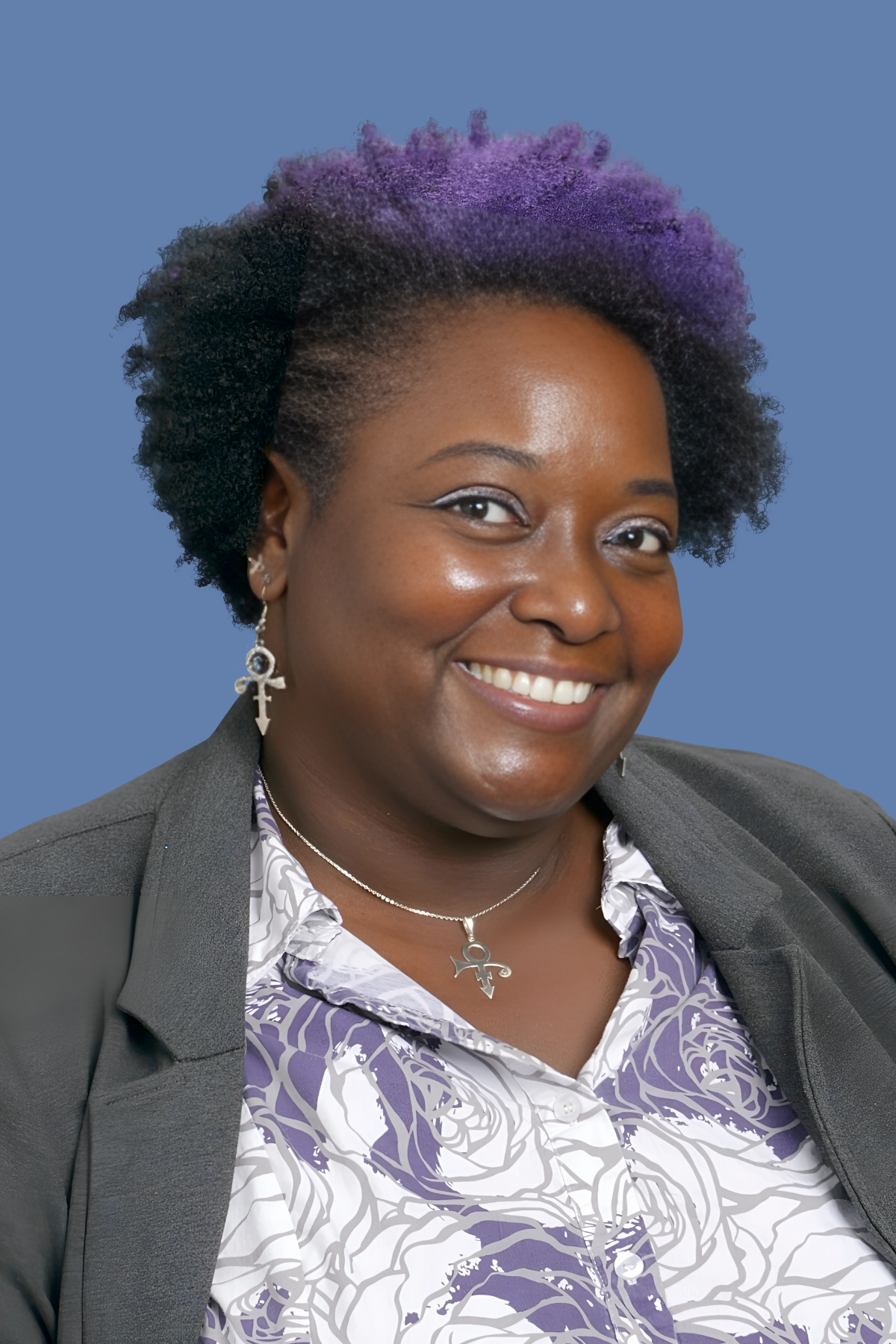
For this high-leverage practice, we are talking about conducting functional behavioral assessments to develop individual student behavior support plans. It is a massive high high-leverage practice that the entire master's experiences are built off of. And with me this week, I've got one of our school psychologists, Lathyrelle. She has done a ton of work supporting behavior specialists and psychologists, and teachers, and families all understand what all of this is like, what it really actually means for their students, and kind of in practice.
I'm excited to see where this conversation goes, because there's so many different things here. So, Lathyrelle, for you, in your practice, what do FBAs, BIPs, what do these things look like? How do they show up for you?
Well, when I do a comprehensive FBA, the functional behavior assessment, it's basically me looking at the background in the history of the student to kind of figure out what I'm looking at, where these behaviors potentially coming from, what supports have they had in the past, and what things they might need in the future to help with the interventions, and adjusting the behaviors to hopefully show a decrease in problematic behaviors and the increase in pro-social behaviors.
So perfect. Like, that is the most succinct, clean, clear description of that that I think I have ever heard, because there's so much nuance in what you said, but it was also so clean with. I need to know the context, and then I can walk through the evaluation. And the goal is to decrease the target and increase the replacement. Like, that is so clean and so straightforward. I love it.
Thank you. So that's basically how we do it. Explain it out. So basically, I'm going through the history, the medical history, the social history, educational history to see what was done. One of the things that in a school setting we definitely get the educational history because people will definitely talk about it. However, that medical piece as well as the social piece, the home life, any other outside medical pieces, if the child has been hospitalized or received some intensive in home services or any other type of services outside the school, we see how those things have worked for that student and how it impacted that student's behavior, whether it was successful or not.
So those are some of the main things that we really look at when you do an FBA, as well as the interactions with other students, their parents, other family members, just their behavior history in school, and if they have anything that's outstanding that would definitely be an impact on what we see in the classroom. And based on that information, we can look at what type of goals we will use to help with any type of interventions.
And basically, it's just a starting point of what we would do for that student.
That's so good. I am a strong proponent of contextual behavior analysis. You cannot analyze behavior in a vacuum. And so often I get asked, like, okay, what data collector should we use for this behavior? And I love that you are saying, okay, sure, yeah, that. But also family and contacts and history and outside and inside and all the things, like all the actual information around it, is then what we're using to analyze the behavior. We're not just taking a few data points and running it through some rubric to then determine what we're going to do with a kid. It's so much bigger than that. I'm so thankful that you are bringing that, because so many times FBAs get kind of run in this little vacuum, somewhat irrelevant of the context in which it's situated, which is what's actually informing the behavior in the first place.
Yes. So the FBA, because it says comprehensive, you're looking at the whole child. You're not looking at pieces of the child when they're only in school or when they're only out of school. They're bringing you the whole person. And so that's how you have to look at your FBA. This is a picture of the whole person, what they've been through, what they're going through, and possibly where we can lead them to.
So that's how you have to look at the FBA and the results and how it can impact your BIP as well as the educational life.
Yeah, for sure. I mean, like you and I, before we were recording, we were talking about trauma-informed behavior analysis. And so if trauma is present or if it's not, then different interventions are going to have different outcomes. It'll be received differently from, you know, different learning histories or their own background. And so if we're not considering that going into this, then we could say, okay, this is the function of behavior. Here's the functionally aligned intervention for that. But if we've removed the context, man, we can do a lot of harm.
This is true. And that's when you really have to look at your medical history. Things like, if you wanted to put a restraint in someone's program, their BIP, is that going to be something that's detrimental to the child? And what type of restraint are you talking about? There’s different things that you have to look at when you're looking at the FBA. And that's why it's important to make sure that it's comprehensive and that you have all the relevant information in that FBA, because, again, it guides you to what you want to do for that intervention.
You can also look at different environments and how the intervention would change across environments and who they're working with. And it also helps you figure out what type of data collection you're going to be using to make sure that the intervention is working properly. Because one of the things people kind of forget as you go on and you do the FBA and BIP is that, when things change in that student's history, whether they're doing better or they… for some reason the behavior got worse.
Has anything changed in that history that you need to go back and look at? So if they move from one home to another, or they experience homelessness, or they had a medication that was added or changed, or something of that nature, now they have a new sibling in the home, or they have an animal that they didn't have before in the home. It could be something very simple, a new teacher, a new higher level of education that they're experiencing now. They went from kindergarten, and two years later, it's third grade, and that BIP now isn't working.
So you have to look at those factors and then look at your interventions to see if it's still appropriate. So that's something that you really have to look at, be mindful of, and which is why it's required for us to look at the BIP and the FBA at least once a year. But also, it's important to look at them if anything significant changes or if you see that the data is not going in the way that you expect for it to go.
Yeah, I mean, sometimes I'm working with teams and they're interpreting only what they're seeing, and they're not always asking those questions that create that broader context. And so I'll have teams being like, well, this intervention worked last year, and it's not working this year, or this was working last month, and now it's not, or this didn't work before, so it's never going to work. And then they tried, and all of a sudden it's working. It's like, well, is it bigger than the intervention itself? Is there something else going on here? So just because you're doing something and you have the outcome that you were hoping to have, that doesn't mean that what you're doing is actually what created that outcome.
Sometimes there's just life stuff that changes, and then it's not, Wow, it worked. It's, oh, this other thing changed. And so, okay, noted. Now that gets added back into the context of all the variables that we're working with is what we're doing our intervention design with, but it's also then how we're analyzing how that behavior is showing up, so we know how to help them.
Right. And the other thing you also have to make sure of is everybody receives training. One of the things I always talk to my staff about is the child is always going to find the weakest link. So if you are one of those people that you just got a soft heart, a soft spot for that child in your heart, and you let them slide on certain things, you are going to be a person that's going to be the weakest link and that they're going to use you as the person to get out of things, and they're going to use you as a person that's not going to follow the BIP because that's what you're showing them. So it's imperative that all of us are taught the same thing and implement the plan the same way so our data is consistent and actually is meaningful.
So again, you also probably have that type of relationship with that that they'll come to you and tell you things that's going on in their life that may not be written down anywhere. So again, that's something we have to go back to the FBA and see, hey, is this going to help or hinder our intervention that we're doing? So it's very important that you are not the weakest link, but also that you bring that information to us if you happen to receive that new information that could impact the FBA or the BIP.
Yeah, and that's a conversation that will come up in another one of the episodes with a different high-leverage practice. But we were talking about meetings and how to get whom to the table. And so many different staff members have different kinds of relationships with different students at different seasons of life, and they get access to information.
And if that isn't shared, then the team who is responsible for making those decisions can only do what they can do. And so we were talking about having good representation. It's actually back toward the beginning of this season, having decent representation at the table, because then whoever the kid's spending time with, which in some context is hall monitors and janitors. Cause kids are skipping class or getting kicked out of class, and then all of a sudden, they've got a great rapport there. And so now they're sharing stories about home and life and what's up, and then that information isn't trickling back into the certified staff or the people that have the titles at the table.
And then they are basically uninformed then trying to make decisions on how to serve the kid, and the kid isn't there, and the people who know the kid aren't there. But, like, all of that is the context. That is the true situation, is all of the messy pieces, the things that everybody knows, and the things that only some people know. But it all needs to be at the table to be able to actually figure out how to serve these kids well.
Yes, you're right. And you brought up a very important piece. It's okay to talk to the kid.
Yes, please.
It's okay to talk to them, to see the reasoning behind their behavior, whether they're five years old or whether they're 22, about to age out. Talk to them about how they feel about the behavior, what we're seeing. They may not even think there's anything wrong with their behavior. And that could be something that you might need to look into, or it might be something where, oh, I didn't know my behavior was an issue. Maybe I can change on my own.
So those are some of the things that you also have to keep in mind when you're actually doing a comprehensive FBA as well as the BIP. Talk to the child to find out if they even know that this is something that they're not supposed to be doing. It might be something that they did, that it was a survival mode, or it could be something that they just didn't think about it being the wrong thing to do.
So it could be something as simple as just having a conversation with them, and you can avoid doing a comprehensive FBA and a BIP altogether.
That is so true.
Yeah. So, again, you want to make sure all the partners have a piece to contribute to that FBA and that BIP, and that you definitely involve everyone on the team, including the student.
Yeah. I mean, how many times have I had the conversation saying, like, you don't like to be caught off guard or unaware, right? Like, you come in and someone's doing an evaluation on your classroom practices, and they have a rubric, and they know what they're looking for. What if they never gave you that rubric and you just had to do your thing, and then they would just tell you how good you did, but they never told you what you needed to do, and you're like, well, if that's what you were looking for, I could have done that. Like, I can do that. I just didn't know you needed me to do that. It's the exact same thing with our students, with their behavior plans. A lot of times, we've got these plans around them, and they don't even know what they're working on. So it's like, well, I could fix it if I knew what you needed me to fix, but I don't know.
So it's like, bring the student into that conversation, make them part of that. And quite honestly, the times that I've been able to do that with teams, especially ones that have been pretty contentious, where the students are pretty vocal and sharing their opinions about their staff members, to bring them to the table anyway and say, Okay, then you drive this bus. It positions them differently. And the dialogue is, you know, we've ended up with very different interventions than what the adults around the table would have designed if the kid wasn't actually there, having that, you know, being part of that conversation.
Right. Because the other thing you have to remember is that their behavior works for them. It gets their needs met the way they feel it need to be met. The BIP is for more of a prosocial approach to getting their needs met. So that's something that you have to keep in mind when you're doing these BIPs, is that their behavior is going to be hard to change. And one of the things I also tell the team is that behavior gets worse before it gets better, because again, they're looking for that weakest link.
They're going to try to do everything to make things as difficult as possible, so you'll stop. But if you're consistent and they still see that their needs are being met through the means that you're trying to promote with them, you'll see it slowly start to change. And once they feel that trust, once they understand this is what you're trying to do with them, not for them or to them, that you start to see that intervention really take place in a positive way.
Yeah, I know last week Waddell and I were talking about teaching social behaviors, and there is a growing camp around folks that are saying you can't teach those pro-social behaviors because there are all of these societal aspects that go with it. So I appreciate how you're framing it's not that. It's more like, how do we get them to get those needs met? They have needs, and they need to get met, but how do we do that in a way that is actually going to speak to folks around them so that their needs can actually be met?
You're right. And again, there's a lot of contests. As adults, we've been trained, I guess is the best word for it, to learn how to get our needs met. And that training doesn't necessarily happen anymore. That we have a different society where people are more relaxed in how to get their needs met. The squeaky wheel does get all the oil. So we have to teach students to be very proactive and advocate for themselves, and how to do that appropriately so it doesn't keep others or shun others, or embarrass others.
And everyone gets their needs met at the same time. So those are some of the things that you have to teach people those things. I think it has to be very exclusive to that student. I think that you also have to be open-minded. We're dealing with a very different group of students nowadays, so we have to be very open-minded in how we approach the students and how we treat them. They want to be very independent at a much younger age.
And some of them, just from the backgrounds that they come from, they had to be older. They had to be the adults in the home for whatever reason. And so you might have to approach them like another adult, but also realizing they're a child and they still have a lot of things to learn, and that this is our opportunity to allow them to be a child while teaching them the most appropriate way. This may not be something that's exclusively in a BIP, or you might find it in the FBA, but this might be your approach when you're working with that student.
Well, yeah, because you're talking about, typically, the BIP, the behavior plan, is going to hold the what. But you're talking about the how. So I can do this with them. I can apply this intervention, I can collect this data, whatever. But how do I do that, like, how do I position them as a partner in that, as opposed to the intervention is being done to them? Right? And can I walk with them in a way that does honor them as a human or a partially grown human, and walk that with them? So it's not just that top-down approach. It's just I'm here because I'm the staff, and you're here because you have needs. And so I'm here to meet your needs. It’s how can we collectively meet those needs together?
And you can show me what you got, and I can keep bumping and buffering and boosting along the way as part of that process.
Yes, exactly. And so it's all about, again, you know, you're teaching social behaviors. You're addressing the behaviors. You're also getting that background information, and you're being sensitive to the environment that they grew up in. And students will recognize that. They definitely will understand if you understand their background, even though they might not come out and say it; they get it.
Once you tell the student, this is not the appropriate behavior. Even if you are doing a BIP that they may not agree with. Again, if you're not part of the weakest link, everybody will basically help that student move towards that prosocial behavior that you want them to have because they really don't have another way, they don't have another outlet to meet their needs other than to do what you asked them to do.
Again, it doesn't have to be something they feel like it's being done to them. But once they start getting their needs met again, you're going to start to see that positive behavior that you're looking for.
Yeah. Just a natural byproduct.
Yes, natural consequences, as they say. I got my needs met even though I didn't have to fight anybody to do it, but I talked it out, and it got my needs met just as well. In fact, it's better because now I can talk everything out. And again, that expands to all their learning across all different areas. And again, you teach them a life skill. You don't always have to fight everyone. Sometimes you can just talk it out. Communication is key.
Well, thank you so much. I know this can be a very detailed, comprehensive thing. So it's only one high-leverage practice. Before we're recording, we're joking that there are entire master's programs that would teach you all of the nuances of just this one high-leverage practice. But thank you for bringing the human aspect to it. That yes, there's all the technicalities and all the approaches and interventions and data collection and all the things, but at the end of the day, we've got a human and they are living in their world, and how we serve them is contingent on that. So thank you for bringing that human context and centering that at the middle of this conversation amidst all of the scientific nuance around it.
You're very welcome, and thank you for having me and allowing me to talk about how the FBA should be conducted and who's supposed to be a part of that team, and making sure that everyone has a voice.
Yeah, thank you.