
Ask Me Anything
Meet Heather
Episode Description
Key Points and Takeaways
-
Being drawn to the people others overlook can lead you to the most meaningful work.
-
Not every academic path is linear or even fair and that doesn’t have to be the end of the story.
-
Systems may close doors, but purpose opens new ones when you’re grounded in who you are.
-
Emotional and behavioral work demands flexibility, curiosity, and the willingness to be where no one else will go.
-
Tracking your alignment to the work over time, like Heather’s color-coded calendars, can help you know when it’s time to shift or stay.
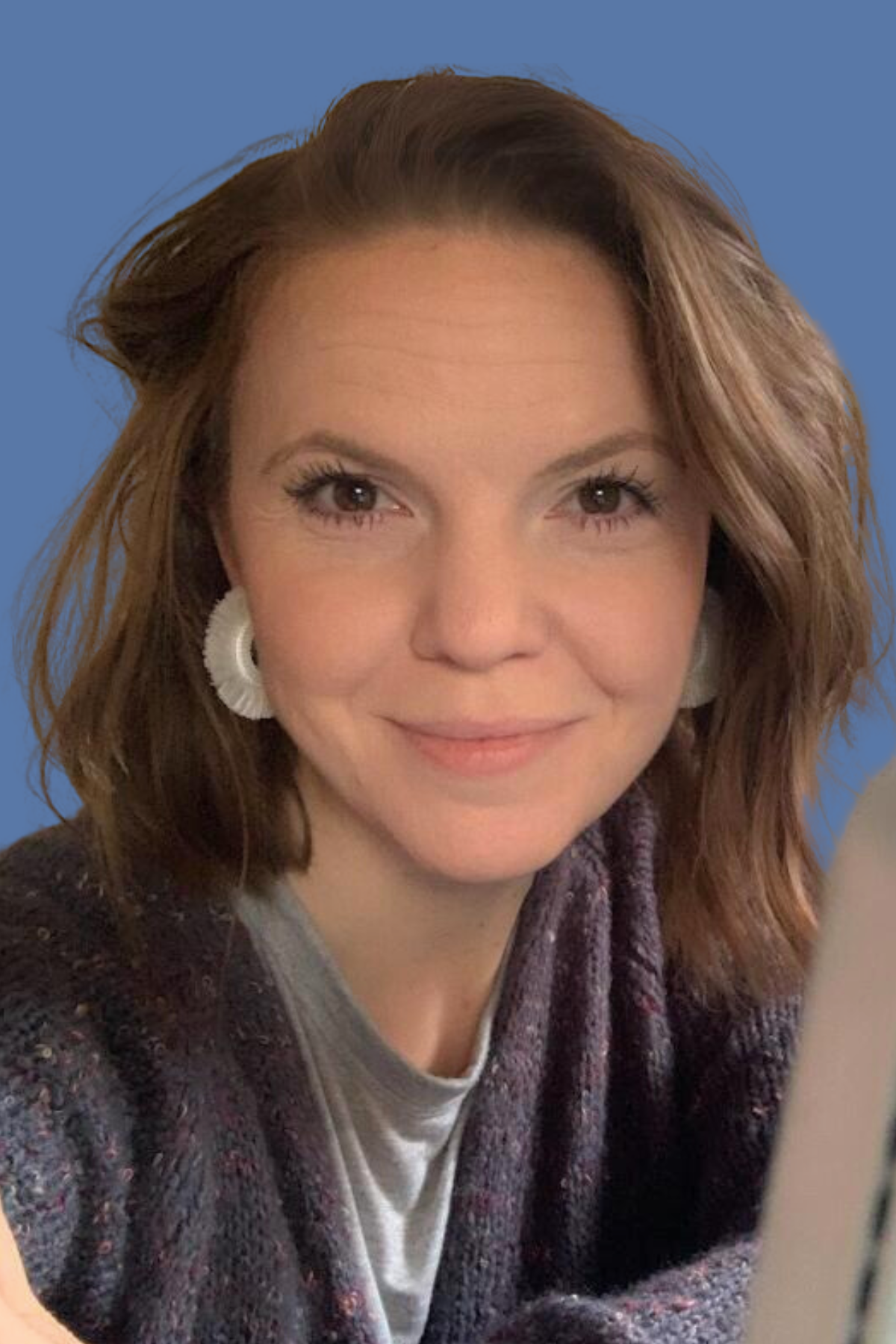
Heather Volchko, BCBA
Hosts: Flora Yao and Cass O'Hara
Guest: Heather Volchko
Flora: All right, so we're back with another episode of Ask Me Anything. This is our summer series. I'm Flora. I've been here since the beginning, so I kind of know the ins and outs of everything. And I'm here with Cass. Tell us a little bit about yourself.
Cass: I'm Cass O'Hara. I am a…- I'm new! I'm new to the whole thing. So quite the opposite of Flora. So I'm getting to know Heather a little bit more than I have in the past. I'm a current BCBA trainee with Heather. I'm also a teacher with one of TLC's nonprofit district partners, and I'm partnering with the nonprofit for some hopefuls and some dreaming for the next school year. And I'm excited to see where TLC and Heather and the whole team can take me with them. So very excited to learn more about Heather.
Flora: We're very excited to have you here. And today, Ms. Heather, we are asking you: Who even are you?
I feel like that's the million-dollar question because anybody who gets any little bits and pieces of my story is like, wait, what? How does that connect? It is not a straight line at all. So I am absolutely relying on all the things you know about me and Cass's curiosity to lead this conversation.
Flora: Perfect! Let's start with this: So why did you choose the career path that you're on? Tell us kind of how you got into it, how it started, how you got here.
Yeah. So my backstory, if you take me back into high school, I did not see myself graduating high school. I grew up in a really tiny town. A very blue-collar, military, coal mine, steel mill. You could make bank at 16; you really didn't need a diploma. And so my family was very strong in the sense of like, no, you're gonna graduate, you will finish. But the reality of when I look back, between like 16, 17, 18 years old, most of my friends were dropping out or making all kinds of other choices.
And it was really like part of like a psychology elective, one of the only electives we could take in our small town. And I took it as a junior. And as part of that course, you had to do a kind of practicum type of thing. And you could either do it in a local elementary school because you could walk a few blocks down to the elementary, or you could do that with a special ed classroom in our building.
And so that was with low incidence. So think downs, cerebral palsy, cognitive impairments. And there is just something about walking into that room. It does not matter if I was there first period and now I'm back third period. Every single time I would open that door, they're like, “Heather!” Right? So like literally I was showing up to school because that's how I was greeted at school, right? Like I had a purpose, I had a reason.
By the end of my senior year, I was effectively not going to any classes and would just turn in my work before school, and I would go down and effectively student-teach and co-teach in that classroom. And that's truly what I attribute to me actually graduating in the first place, is really just like that population and seeing the impact that could be made there, and quite honestly, enjoying it way better than all the AP classes and stuff I was taking.
And so I would do my work, turn it in, and then, like, I don't know, officially or appropriately skip classes to go spend time all in the SpEd room. And so for me, when you get to graduation, it's like, okay, now what? I'm like, well, I've already been doing this. I guess I could just keep doing it, right? So then it's like, okay, I guess I'm going into SPED. I had some friends at the time who challenged that decision quite a whole lot because they thought that I was capable of other things, and I actually had a good friend of mine tell me, Why would you waste your life on that?
That's so not worth it. And for me, I'm like, man, but look at all the different kinds of skills that I get to use. And it's always like something different, and there's always another problem to solve. And it's never just like- I never get bored with it. And that was just a couple years in. So that's how I landed going into my undergrad in special ed, because honestly, that's what got me to graduate high school. And I was like, if I can do it for a couple of years, I can probably do it for a career.
But I will say, only a couple years into my undergrad, I was going home for like winter break and all that stuff. And I was starting to realize that the rate of progress in that population was not going to be one that was actually going to sustain me professionally. I was still teaching the same guys how to write their names. I was still teaching basic accounting. I was still teaching. There's just some foundational skills, but the retention of the student and then the repetition that was required of the staff. I was like, Oh, I don't know that I'm actually built for this. But simultaneously, I got into my undergrad program, that was called a community of teachers. And so the way they had built the program is that you have to spend one full day or two half days in a classroom every week. And it was built as like a longer on-ramp into student teaching. So you didn't just walk in cold to do student teaching for a semester and then walk out. That you actually had some kind of gradual release, additional practice. It was super cool. I am still, now a decade plus later, looking back, I did not comprehend how far ahead of their time my undergrad training was.
But I got in my freshman year, which is when nobody knows what they're doing next year or the next semester. No one's taking a pre-student teacher two or three years in advance. That's just not happening. And so I was trying to find a placement, couldn't find one. If I couldn't find a placement, I was going to end up dropping from the program until I could actually get a placement. And one of the profs that didn't love me very much was just like, well, you can go to juvenile hall. They're always looking for people. I was like, great, done. If that's how I stay here, I'm game. Let's go.
And they were always looking for people. And quite honestly, that's where I found EBD. I didn't know emotional, behavioral, mental health disorders. Looking back, I could tell you exactly in my middle school and my high school, exactly where those classrooms were. But I had no idea what they were or who they served or how they operated or anything like that. And then working in juvenile hall, I was like, Oh man. These guys are making stories, like they are making choices, and they have these stories.
And the rate of change was really fast. So I could see myself investing such similar skills that I had been investing in the low-incidence population. But I was seeing that rate of change and seeing that immediate life change impact in the work that I was doing. And I was like, all right, I'm in. And so from there out it's been like emotional, behavioral, mental health, like all that, all the way through my entire career. But that’s literally- it is because of my low incidents. Like when I go home, I've got my two guys, Jake and Jacob.
They are my people. And that is who, when I go home, that is who I spend time with and catch up and see what's up. But they are from that classroom, and they are probably a couple of the only reasons that I still go home at this point. But yeah, so it's truly because of them in their classroom that I even started in special ed. And it was kind of because of a spiteful professor that I landed juvenile hall and found EBD.
And then I've just sort of dabbled back and forth between the two in different seasons of my career since then.
flora yao
Cass: It's interesting to hear you say that “I landed it”, that you landed it, when the professor presented it in a way that it was like, well, no one ever wants to do that, so that's always open, right? And it's interesting, and it's telling about you too, and who you are as a person. Not as an opportunist necessarily, but as someone who says everyone deserves a shot. And while it's confusing to people like us that people would opt out of helping those kinds of students, even if they're in juvenile hall. And so I think it's kind of beautiful when those opportunities arise. And there are people that are like, I wouldn't touch that with a ten-foot pole. But you're like, I'm in. Let's go.
And I think that that's telling about the type of person that you are, too. And it makes a lot of sense, seeing where you are now, that it's less of I'm an opportunist and more of I'm not scared to do the work that people aren't willing to because it is purposeful, it is meaningful, and it impacts people that, especially the people that others aren't willing to work with, they deserve a shot too. And not everybody holds that perspective, which is unfortunate, but it's the people that do hold that perspective that kind of propel society in general forward.
So it's. It's cool, and it's making some sense here, Heather.
Well, I was student teaching, and so I was student teaching in an ED middle school room. And the teacher was coming up on retirement at some point, and he was rough around the edges. He is your, you know, the old school ED classroom teacher, right? Like, cut with grit kind of guy. And he told me, he's like, always be where nobody else will be. Right? That's where your guys will be. That's where the work will be.
Always be where nobody else will be, wants to be, would be, that kind of stuff. You will always be in the right place at the right time if you're looking at your profession in that way.
And then I’d taken that back, and I had a conversation with my mom, and she's like, Heather, you were built that way. She could give me stories from elementary school, all these way back machine things that I don't have recollection of. She's like, you were always the one that you would go pull the kid who's on the side of the wall into whatever activity is going on. Or she's like, you were always just drawn to the outliers. That's just how you were made from the beginning of time. I think she even pulled like a couple of preschool examples of things, just like, that's just who I am, how I've kind of entered life. And that's then now kind of professionally I just get to do that, which is honestly some of the…- I don't know if I'm fast-forwarding with how y'all want to have this conversation, but like, even into TLC and the folks that I get to have the privilege of working with. It's still like we're all a little island of Misfit Toys style. No one of us has a straight line from where we started to where we are and where we're headed. This is just a pit stop along the way, and we're trying to figure it out together. And I don't see our team any different than any students I've gotten to work with. Or, you know, it's just making it make sense together.
Cass: I think I just said something to you yesterday actually about, and I think it's quite beautiful in anybody that can do this, but that when someone doesn't hold humanity and a person's humanity against them or views them as less than because of it, that that imperfect nature that, I mean, isn't inevitable and the definition of being a human, right? That your expectations aren't that people are anything other than human. And so when they inevitably show you their humanness, right? Where things don't go perfectly, you're like, yeah, okay. That's to be expected. And I think that's why we find ourselves in these rooms and with the people that- and even in the rooms that people don't want to be in.
And that's why we still do it. And it seems that's why you still do it, is because you're finding beautiful people, because you set aside the things that people would push them away for. And it seems like it's written in who you are, which is really cool.
Flora knows it. Since the beginning of time, I was like, I say humans are messy on a good day, right? So to anticipate or expect anything else is ludicrous. Right? Like, humans are messy. Sorry, Flora. I don't want to cut you off.
Flora: I was gonna say, Cass, you haven't even known her that long, and you nailed it with how she'll just say, “yeah, okay?” The amount of times I've heard her say, “Yeah, and? Okay? You're human. It's fine.” Like, yeah, you hit it right on the head.
Cass: Well, and Flora, I think I have a question for you, actually. Being on the receiving end of that, and someone who has worn a lot of hats for Heather and has walked this journey with her, not only as her friend, and while that's where it began, but obviously someone who has been essential to TLC. How is that on the receiving end? Right? Like, for me, I mean, in the very brief time, I'm like, “Man, I do not want to disappoint this person.”
Not even for personal reasons to get me further or anything like that, but genuinely, because this person is this way, I really don't want to let them down, and I'm ready to be honest about that. But, like, what's that like for you? Having known her for so long.
Flora: Oh, that's such a good question. Well, I definitely, for myself, I tend to be very, like you said, I don't want to disappoint this person. That's how I am with everyone. But I've known her so long that I know that probably the only way I could disappoint her is to try to disappoint her.
Gotta work for it.
Cass: You have to be intentional, right?
Flora: Yeah. She knows me really well, and she knows what I'm good at. And she always has a way of, like, “Oh, Flora's good at that. I bet she could do this”. Whether it's in our personal lives or it's in TLC. And that's how I have done all the things I have at TLC, because she sees a need and she knows who could fill it. She's very good at that. So she sees a need, and she'll be like, “Oh, I should reach out to so and so. They know how to do this.” And like, look at us doing this right now. Like, she seems to be good at it. So, yeah. It's great.
Cass: Very, very cool. So it's less about necessarily the jobs that she's kind of been in, the position she's been in, but the perspective, I think, that she's gleaned from. And, sorry Heather, I'm talking about you like you're not right here, but the perspective that you take into any challenge or any situation is the one where humans are beautiful and they deserve a shot. And what can I do with the opportunities that I have or the things that I'm holding, right, to support that person and continue to grow themselves?
And it's really, really interesting to see how that is intertwined really in everything that you're doing or have done so far. So you went from being in school, in high school, finding yourself in that juvenile center, and then you said you did a middle school class, is that right?
Yeah. Student teaching was in middle school. And honestly, like, I love middle school. Everybody's a little crazy in middle school. I'm so here for that, right? So everybody's trying to figure themselves out. Does not matter what labels you do or don't have. So even the kids who are carrying some really heavy stuff, honestly, they can hide in plain sight pretty darn well because everybody's just a little off.
So I love middle school. Like, complete and total, right?
Heather Volchko
Cass: That is a rare perspective, that is. Which is good, it's good. But I feel like a lot of people are like, you gotta be a little off for middle school. And I like that. Right?
Oh, yeah. You gotta be a certain kind of person, that's for sure. But I think there's just this beautiful moment in development that happens in middle school, too. And I mean, I'm working in juvenile hall, I'm an undergrad, and I am maybe a year or two- like some of my guys were older than me when I was teaching them GED prep, right? And I'm listening to their stories, being like, dude, you got booked recently, but the choices you were making goes back, right? And so I find middle school to be that nice sweet spot where you're kind of grown, kind of you know what you need to know about life, and you're starting to exert that over your choices. But you're also still a little eyes wide open, and that curiosity and trying to genuinely make sense of the world that we see very much more so in elementary school, is still in middle school.
Cass: Yeah.
So I've always loved that. That little sweet spot where you're starting to make grown decisions, but you're still open to trying to figure out, right? And then, I worked in alternative ed, and I had the caseload of all upperclassmen. And so those were guys that were of senior age or credit. And I was so nervous taking that position. I was excited about it because it was a little bit like a back to my roots from some of the GED prep work I had been doing.
But, man, I was like, these guys are way more moldable than I gave them credit for. But it's needing to be in an environment, in a situation, where they actually know that they are seen and that they can show up as their full selves. And then you start seeing that little boy tucked inside of these grown men who've made very adult decisions. And they're still trying to figure out the world and make sense of things, right? So, for me, I don't much care. And I think for me, because it's middle school or high school or all of us as adults still trying to figure out what the heck we're doing with life, that's just sort of like the human experience, and I'm kind of just here for it. If that's professionally or not, or what. I think, yeah, I'm just kind of along for the ride in seeing where those stories go and whatever part of their story I get to be part of, if I've spurred them in that direction for whatever is next, like, cool, I'm here for it.
Cass: So you… You're back at your roots, right? And you're working with a population that is a little bit more familiar, and somehow you have gotten from that position to the one that you're in now. And so were there certain certifications that you had to start getting, or what was that first step for you?
Yeah, I think for me, the realization that I was probably not going to retire from the classroom is what pushed me forward because again, I didn't see myself graduating from high school, so I had my bachelor's. I was killing it. I was doing way better than I had anticipated. I'm good. That can be my ceiling. I'm happy with it.
And so I'm not even joking, my entire academic trajectory is because someone saw something in me and was like, Hey, have you thought about…? And I'm like, no, I haven't because I don't see that as part of my trajectory. I'm good where I'm at. I'm not complacently good with where I'm at, but I'm not like, I'm gonna go and shoot for the moon, right?
So I think for me it was what about my guys, the work that I'm doing, do I love? And let's keep that. And what are the things about my work that are making me feel like I don't want to retire from this job, and how can we toss that? Right? And so that became the sifting for me. And Flora has walked these things with me, and so she knows I've got different ways of being, like, I need to see how much I'm actually good for this job, and this job is good for me. And I can, I think, kind of walk through…- I actually started this back, I think my second, first or second job, actually, I did a color-coded calendar.
Flora: That is one of my first memories of you, talking about that, like, I'm doing this over a couple of months. Should I say, should I go? I remember that. Yes.
Yeah. So, okay, if you're not familiar with this, a color-coded calendar for me is your basic red, yellow, green. Print out a monthly calendar at the beginning of the month, right? At the end of every day, I would sit down and pick a color, right? So some days it was dark green, super bright like, this is a freaking awesome day. Other days is dark red. I actively thought about quitting, or I looked up other jobs, right? And then I could see across a month how it was shaking out for me, right? And a lot of times, I felt so drawn in certain moments that I knew I was overlooking some of the rough stuff.
And so I started using that calendar as a way to say, okay, so in my career, what are those green and even yellow- yellow's like, as whatever, right? But, like green days are like, this is why I do what I do. And red days are like, Why am I doing this? Right? So, trying to catch both sides. And then yellow's like, That's a normal day, whatever. I started doing that with my career, not just the day being like, what are the things that is turning this day green?
What are the things that are turning this day red? And that started to become kind of like my unofficial sifting. And I will tell you, I have done that in every job I have had since the jump, right? So if I'm starting to get to the point where I'm like, I don't know if this is a fit for me anymore. I don't know if I'm good for them, if they're good for me. Like, I don't know. I'll just start running those calendars and just see what comes up. And what I've learned over the years is I can have a very red and mostly red, a couple of yellow, and one green day in an entire month calendar, and I'm good.
I am fully sustained, and I am in it for the long haul. But that's also been a personal check for me, too. To be like, oh, maybe this is not as good as it is in my mind, right? Like, when you look at the data, the data would tell you a different story. But, yeah, so I think as I was doing that, I was actually doing that in alternative ed. And there was also some shift around administration and some perspectives around programming and some of that stuff, too, where I was just like, this is no longer feeling like it's a fit for me.
And I had started down the road of my master's in educational psychology. Behavior analysis, I say, was as a way to blow the walls off of my classroom. I was no longer bound to students. I was no longer even bound to humans. If I wanted to do animal training or whatever, like, there were so many applications of the behavioral sciences that for me, I was like, this gives me options. And I think I have only ever leveraged education as a way to give me options. It's never been just like a checkbox or a stepping stone. Even how I picked my electives in my undergrad.
Cass: It's really, it's interesting. I'm gonna pause you for a second because it's interesting, you're saying this, and I'm thinking about how you grew up in a coal, I think you said coal mining, and those sorts of things, those very vocational kinds of…
You get it right? You make bank, like you said, at 16 years old, and you don't move from that job. And so I'm gonna say this, so take it a little bit lightly, but what gave you the audacity to think that you could be switching jobs this much? What do you think that was that propelled that, like, kind of incentive in your brain?
I don't know. So this is something that I think has only started becoming like a realization of mine in the past few years. So my biological family is scattered across the country and has immigrant roots. You know, farmers in the Depression didn't have much. And within only a few generations were able, you know, like, from hard decisions of my grandparents, great grandparents, right? That they were kind of like, I am making those choices to not have where I am now be where I am in the future.
And so they had to figure it out, right? I think from stories I've heard, my great-grandparents were kind of like, We don't have an education, and you need to. And so there was just that push. So even if you just make it through high school or make it through, you know, make it further than what I did. And that, from the stories I’ve put together for my family, seems to be a through line where it's just like, wherever I made it, the next generation should go farther.
And so when I look at even my parents or aunts and uncles or just learning about stories of my family, some of it is just like, well, just be useful. Go do something useful. And that doesn't mean that you have to pick that when you're 16, 17, 18 years old, if/when it changes, change it, and just go, keep doing the thing, whatever the thing is. And so I think there's always been kind of like that openness. Again, if you're doing what you're meant to do, if you are serving in some capacity, if you're meeting some kind of need, right? And that's a fit for you and your professional and personal moment in life, then it sounds like a great plan. Right?
Cass: That's cool. That's cool. Sorry, it was really, really interesting how you kind of got there. And I guess I went with more of a stereotypical- I grew up in a rural town too, where most people, if you do leave, you come back, and that's where you raise your children, and you do the same thing for the rest of your life that you picked when you were in high school. I am several steps away from that myself, so…
It was really cool to see this kind of what sounds like a familial perspective has propelled you to continue to keep asking questions and all the way to the point where you're at right now, you're getting a master's in educational and behavioral sciences and how you can now apply that to anybody and it opens your world in a different way, which is really neat. So you continued on with your master's, and then what came from there?
Yeah. So I was super picky doing my master's because I had a couple of interactions with folks that I didn't necessarily feel like were a fit with education. And I didn't want to accidentally stumble myself into training that aligned with some of those, what I perceived to be, missteps. And so when I was looking for my master's program, I was super picky about I wanted ED psych. I don't want clinical psych. I don't want psych. I just want ED psych. I want folks that know the science and they see the science in its purest strength form, right? But they're also totally cool with applying it in such a highly applied, super messy, way more variables than you could ever control on a good day, right? Like, all of that kind of way. And I wanted that in my training because I've also looked at it like, I'm not here to waste any time. I'm here to learn. I'm here to do the thing all the way in. Right? And so I wanted my profs to be able to speak to what does it looks like to run this in a classroom? That also meant that when I was then picking a BCBA to help me through my clinical hours, I needed them to be able to wrap their head around education, alternative ed, you know, all the different types of ways of different applications of the science, and to see that it actually was a science. And I was so lucky that my Prof. saw it, my coursework led to it. That was just through and through.
And I did. I landed a supervisor out of New York City who did a lot of work internationally. I've done a lot of work internationally, and my hope was to be able to leverage my master's experience to kind of open some doors in the international space as well. And she was doing a lot of work with an international organization and leveraging the science not only in how they were serving folks abroad, but how they were serving the people who were serving the folks that were abroad, too.
And so it opened up so many cool conversations. She helped me get through my last few years and into my first board-certified behavior analyst role, through freaking out, sitting for the exam, and all the things that you're trying to make sense of right now, too, right? But, like, she was so cool in the way that she could take a moment and connect it to the big words and see it in the bigger picture, but then drill it down into the science and could do it all simultaneously. I was like that. I want that. I'm so thankful that I landed that. To have that person walking me through those things.
She was then the one who was like, ‘Hey, have you ever thought about getting a doctorate?’ I'm like, no.
Cass: That's hilarious.
Like, absolutely have not. Why would you ever think that? I would never. But it was actually from our conversations we were leveraging some of... There's a big name in the social work field that has done a lot of work with just communities that are kind of up against stuff, and they're trying to make sense of how their current life doesn't have to be their future life, and what are some of those decisions, and how does that work out?
I'd be doing some research and work in that area. And so that's how I ended up looking at my first university for my doc program, and was trying to figure out how I could work with that guy. Long story short, couldn't. But they had another program that was on the website that I was like, Oh, well, that could be an angle, right? And so applied and got into that. And that was my first foray into academia, which up until that point, like, I'm all in, right?
I can learn stuff, I can do stuff, I can apply stuff. And I'm here to connect the dots between what I'm learning in my coursework and what I'm doing in my practice. And if it doesn't connect the dots, what am I doing? So I think stepping into academia, I had so many things that I did not understand walking into that. I'm like, oh, bachelor's check. Master's check. I can do this doctorate.
Completely different game. Completely different game.
Long story short, because you're asking about some certificates too. So I have two ABDs. So if you're not familiar in academia, it's all the dissertation. Basically done all the coursework for a doctorate, but have not completed the dissertation study.
And part of walking through that was then also finding the gaps in some things that I had anticipated being part of my program and seeing practical needs of what I needed to do in practice. And so I started collecting certificates, sort of filling the gaps of the doctoral work that I was doing. So I know I can do research, I can do grammar puzzles, and all the things, right? Like I've got that. But then at the end of the day, I'm also working in systems and doing that practical work. And so a lot of my certificates, in my eyes, kind of fill the gaps of things that were not in my doc prep. But that's also because it's not what they were prepping us for, right? They were prepping us for academia and research and all that trajectory.
But I also, I've never wanted to leave the actual practice. It's part of why I chose behavior analysis and not administration, right? I have the utmost respect for all of our administrators. They know that, through and through. And I am so thankful that I do not have that job and I respect the snot out of them for doing that job. But I wanted to strategically pick a master's route that did remove me from the classroom a little bit, but would require me to continue to stay engaged with a student population with the actual practical day-to-day work.
And in my doc experience, that was full split, right? They were pushing that academia route, and I was like, yeah, but also… I'm here for that, totally here for that, enjoy it, nerd out over that stuff all the time. But that's not all I want, right? Like, I want to also have the practical side of things. So yeah, that's a lot of my certificates. If it's like organizational behavior management or leadership psychology, program evaluation, like all kinds of things.
I just leveraged the certificates to fill in that practical gap amongst all of the doctoral work that I was doing.
Cass: It's interesting because I think people expect as you grow your education and you add on these master's and doctorates, everyone's like, okay, you're gonna be making more money, and everyone's like, yes, I am! But then there's those of us that make some choices where you're like, oh, somehow I said, yeah, it's okay to cut my salary in half because I can still apply. Even though I'm highly educated, I can still apply this, and it needs it because the people that do have the education aren't in that field anymore.
And so you kind of have to find it in you. Again, we're tying back to that essential element of who you are, where it says, No, no, I see a need that's greater than mine. Right? And those really common, socially acceptable reasons to move on, -going to tell me what to do, and I'm gonna go where the need is, if that means that's not where the money's at. And so, at least not right away. And I think that that's really fascinating because I'm sitting here and writing down, I was like, wow, all you have to do is your dissertation and your doctorate. That's incredible.
I mean, I wish it was that easy at this point.
Cass: I know, yeah.
Well, I think to your point, when, yeah, at the end of my first doc attempt, it came down to me taking the same paper and applying it three different places. I gave it to my advisor, I sent you a professional editor, and I sent it for publication. And when I got all three of them back, it was accepted to be published, only had a few minor revisions, and the editor had done some grammatical fixing and made it prettier, and my advisor had redlined it. Complete full stop. No way, no how.
And that was the time that I was like, I'm never getting out of here. Right? Like, if I can have a peer-reviewed journal say yes and give good constructive feedback and be willing to publish it, but my advisor wasn't willing to even consider the ideas that I had included in it? I was like, I don't think I'm going to make it out of this program. And so it's, I mean, part of, you know, the last episode, we're talking about Dr. Van Acker, and it's his fault that TLC exists.
It was because at that time I was working with him when all of that stuff was going down, and he was like, We gotta find you another option. And it was him who basically said, ‘No, this is not the end of the road. What's next?’ Right? And he started giving some ideas or direction or whatever. And so I was like, okay, this isn't the way it's supposed to be. This isn't all of academia. There is another potential out there.
And that was how I did it. I started a second doc program in Ed Psych, so a little bit kind of back to my master's roots. And later in program evaluation because I was doing a ton of program development work and I love the program about course that I had taken as part of doc 1 and was like, man, that's just like, that's hitting so many things in so many ways for me that I was like, I wanted to do that. And so I started up doc attempt 2, fast-tracked that thing, and knocked out as many of those courses as humanly possible as quickly as possible to get to dissertation.
And the last semester in that program was rough for us, you know? Personally, my health. I ended up having COVID in finals. And at the same time that my husband's trying to figure out how I'm going to make it through COVID, Prof. gave me an F. F is auto drop. And that's the end of the line. And so I actually was at NASA with Matthew. He and I are running this massive research study across the entire center with all these focus groups and all these things.
And I am literally there doing this massive federal research project, and I get the call from the department chair saying that I had been dismissed from the program. And so I spent the next semester, like, okay, because they encouraged me, my advisor encouraged me, everybody encouraged me. Like, walk the appeals process. I was like, okay, cool, I can do that, right? So wrote the 50-60 page rebuttal, which is basically like a dissertation, saying, Can I please write a dissertation?
And then the day or two before, actually, Flora and I were out, we had taken a trip together when I got the email back from the university that says we uphold the department stance. And so that was just a full case closed, full stop, completely done. So I said, Okay, cool, right? But not all academia is like this because, quite honestly, my second doc experience is exactly like, if anyone could have a doc experience like that, I would like- everybody should do that. The way they were able to have good discourse with disagreement founded in all kinds of just different ways. Like it was just like the movie-esque version of when you have a bunch of smart people in a room and they're pontificating on all these big, ambiguous ideas. Righ? I was so here for that. It was so fun, I genuinely enjoyed it. And so like, no, hate. Honestly love the experience. And so I was like, okay, but now I know that that's out there, right? It's not just my first experience.
Because if that was all that was, I'm out, full stop, don't care to even try. But then having had that second experience, I was like, ah, okay, if that's also out here, game on. Like, I can do that. And so I did. I started up a third doc program, lasted two weeks, dropped immediately because I was like, this is not built for me. There were so many things that I was just like, Nope, nope, done, done, and done.
And like amongst all of this is when I started TLC, I had actually started TLC and intentionally stepped back from full-time, like in district consult work, so that I could have time to do my dissertation. So instead of doing my dissertation, I launched TLC and wrote a rebuttal appeal to try to retain access to Yeah, it was just like a wild ride.
Cass: How long was that? Like that you said, let's say from the time you got COVID.
Yeah. Oh, from COVID forward?
Cass: Yeah, let's say like the NASA experience, right? You get that phone call that like we’re gonna drop you from the program.
I’ve got five or six years of doc coursework across the two programs, plus the additional certificates along the way. And yeah, I think I was gearing up for year seven when I was like, pause. And at the time, I mean, TLC started taking off, and we started having some traction. So I was kinda like, you know what? Instead of just talking about the things, I just get to do the things. And it was this fun merge where we could mix the heady conceptual stuff with the practical, and so we could do it really well. That's just something I'm so thankful for, the opportunities in TLC that we could just do it well.
But yeah, at that point I just kind of like said, okay, pause. We'll figure this out. Because it's one of those, like, I was feeling like I was in the rat race toward nowhere. And in the doctoral world, no one transfers anything anywhere. And so you're starting over. So, yeah, I was trying to figure out what would be next. And so, an option would be to go back to doc attempt one as a potential option. I ended up at a conference with the Prof. that I had hoped would be my advisor.
And he was sounding a lot similar to the department that I had left, as opposed to kind of what I had known of him when I was in the program. I was like, okay, I don't think that's gonna be a fit. And so I just started exploring, you know? What are other options? There are ABD completion programs out there, but then in academia, you also have roll-offs. And so after seven years, you start losing coursework, and I'm right up in there.
And so, yeah, I don't know. I think at this point I've literally, like, I've taken some of these courses two and three times. So, like the running joke is I'm going to pick the next doc program based on what books are on the bookshelf, right? But the other side of it, too, is like, then fine, forget it, right? Like, I'm going to go do something in educational leadership. I'm going to go do something in philanthropic management. I'm going to go do something- you know, like I've already got all this other ABD doc work stuff, so why not? Get creative and see what else is next to see what other doors those opportunities may open as well.
Flora: I want to jump in and say that something about you, Heather, and you said it in all this stuff you were saying. I want to point it out because I learned this from you, too, is how when a door closes, you do not get super duper discouraged. And you're like, oh. *flails arms in exaggerated motions*
You are totally one of those people that's like, let me find the next door that opens, and then that door closes, and then you go find another.
And I am not like that. Or I wasn't like that, I am now. I wasn't like that at all. I learned that from you of just like, just because something ends doesn't mean it's over. It means that there's probably another opportunity somewhere. Let's go find that. It's super encouraging, and it's a great thing to model.
I mean, when I was going for my first BCBA job, I hadn't officially passed yet. And so I was sort of over applying, right? Like I had already stepped out of my classroom gig and was trying to land my first behavior analyst gig. And because I didn't have the cert yet, different options do or don't exist yet, yet being the keyword there. But I did. I applied to almost 40 different jobs, and I got one callback.
Flora: I do remember this.
And I was like, well, I think that's where I'm going, right? But it wasn't like, what the heck, like expletives, other almost 40 applications that went nowhere. It's like, okay, cool, decision made. Rock and roll. Let's go. You know, like, this is where it's headed. So it is, like, for me, I- And yeah, Flora, thank you for calling that out. Like, it is open every door.
Right? Even when I'm leaving. I'll even say I try to leave open doors behind me. Right? Unless I don't want it to be open. Then I will close it.
But generally speaking, speaking, I will try to open every door, and if the door closes, great. Then not for me. Next. Right? And then likewise, if I'm leaving, being like, you've always got an open door here, or those kinds of things, making that very clearly known. But, yeah, you're right, Flora, I am not put off by closed doors. It's like, okay, then that wasn't the answer. So what is?
Flora: Yes, that's a fantastic characteristic for someone to have, especially a business owner.
Cass: Yeah. A leader. Right? And this kind of business. Because I think I've seen a lot of businesses I've been a part of where you don't really see the top dog. You just don't. Once they started it, and they put that into somebody else's hands, and all the balls are rolling, they're like, Cool. I'm gonna take a step back and just kind of enjoy the fruits of my labor.
However, that's something that I, again, already learned about you, Heather, is that I was much like Flora, I think, when we met, one of our first conversations, long conversations, was about how I had given up ever pursuing supervision again. And that just seemed like such a foreign and silly thought from you. You're like, but, like, we could do it, though. It’s something you could pursue. Like, would you? And I think we went on that conversation for a while, and you kept asking, like, would you do it? Would you do it? I'm like, yeah, I would. But, like, I'm telling you, it's not cooking for me. It's not gonna happen.
Like, I hear you, but I don't agree with you.
Cass: Yeah, you're like, no. No, I don't- No, I don't- We're just gonna keep spinning that wheel until it's the time for that wheel to land, you know? And I think that that's quite fascinating and quite contagious too, where it's like, oh, well, that one didn't work. But you know what? We're gonna keep at it until it does work at whatever angle it's going to need to work at. And so it's sounding like that's again, another one of those center components of who you are that has gotten you here, leading other people who are like-minded.
And you said an island of misfits, right? We are a motley crew here. But that's what keeps, I think, those wheels turning too.
Yeah, I mean, like, we're recording this for the summer of 2025, right? And it is such a wild moment in history, at least in the United States, and honestly, quite across the world. There's just some really intriguing- We're in an intriguing moment. And, yeah, I think talking about where did TLC came from? You know, why does it exist? You know, the conversation that we had with Matthew last week and then the conversation that we get to have next week, where we're talking about who do we serve. I think in this moment in history, those things are the core. Right?
So if we know who we serve, like why we're here, what are we doing? Well, then it's easy to pivot. Right? Because then it's not just a closed door, full stop, end of the road. It's okay, so that's not the direction. So what is? And I know there are directors of our districts or like our nonprofit partners who have engaged in those questions and conversations with me for the past few months of just going, like, so what is next, and where does this go, and what can we do, and how can we continue to do the work? Quote, unquote, the work, whatever the work is.
And I'm not put off by more barriers and blockers and things that's like, okay, cool. So that's just more variables in the permutations that need to be run to creatively come up with the next direction. Because we know who we are, we know how we're built, and we know who we're here to serve. How? Now we can get creative.
Cass: So, Heather, as an ever-growing person who allows others to be ever-growing around you, which means they're fallible and all the things, right? What would your best advice be to, let's say, a younger version of you?
Right? Someone who isn't at the stage that you're at, but is aspiring to do the things that you're doing to impact the amount of people that you're impacting, who's willing to reach out to those populations you're willing to reach out to? What would you tell that person to either avoid doing or to make sure they do to ensure that they can have a pathway that's a lot like yours, where you just keep finding those opportunities and keep growing?
Flora: I love this. I really want to hear this answer, Heather.
Me too. Honestly, I think we've sort of talked around it in this episode, but just don't get so stuck on the end goal or on even, to a certain extent, like the process, and just literally just keep walking. See what shows up. See what you can do with that. See if it's something you want to do something with. If not, make other choices, right? Like, but just keep walking. Like, there's nothing too big, too scary, too hard to be the full stop on it.
But maybe that just adjusts. That is the pivot. That is the shift. Right? I know there are lots of parts of my story that we did not even come close to touching on in this conversation that are absolutely those moments. And like, you heard some of them from the questions that you were asking me today. But I think as I look back through my life, you know, bigger than just work or education or professional pursuits.
That It is truly just keep walking. Like the way you think it's going to pan out, if it doesn't pan out that way, that's actually okay. And so, not to get so stuck on that end result or how I think that thing is going to happen and how it's going to come through or whatever, that I don't hold that tightly. I think there was a season of my life where I was very regimented and to the minutiae of making sure that everything was in line.
And I think there's still big parts of me that does that. That's why I can break things down into smaller pieces. Task analysis is my jam, you know, like all that stuff. But to then hinge the next step on the current step so thoroughly, I would just say don't, right? Like, just because it doesn't come through that way in whatever the right now or the future thing that you thought was going to be.
Just because it doesn't happen doesn't mean that's the full stop. It just means that that wasn't the door, right? Like, so that door closed, or that wasn't the door. Find the next one and just keep walking. But I think that's why we're sort of hinting at, too, like, this moment in history. There's a lot of really big question marks with a lot of very unknown things. And I think it is just keep walking, right?
As long as we know the general who I am to my core and what am I built for, everything else? We can get creative, that's okay. That's why my career is not a straight line. Almost nobody at TLC has a straight line, because it's like, we know who we are. We know how we're built. We know how we show up. And we will show up in those ways, in those spaces, whatever those are, wherever they are, however that shows up. So it truly is just keep walking.
Flora: That ties in really well to what we're talking about in our next episode. So I think we're going to stop here, and Cass is going to join us, and we're going to have a really great discussion. I'm so excited.
Cass: So I look forward to it.
Yeah. See you then