
Ask Me Anything
Opening Doors
Episode Description
In this episode of Little Bits of TLC’s Ask Me Anything series, Flora Yao and Cass O’Hara sit down with Heather Volchko to unpack who TLC really serves—from the complex, high-incidence students who don’t fit into typical boxes to the school staff who show up for them every day. Heather shares how TLC’s flexible support model evolved by listening deeply to the real needs of districts and creatively adapting rather than sticking to a rigid formula. They also explore how the team grew by recognizing when Heather had reached her limit and bringing in others with lived experience to continue the work. It’s a behind-the-scenes look at how values like humility, responsiveness, and partnership drive every layer of TLC’s mission.
Key Points and Takeaways
-
TLC was built to support complex youth who don’t fit neatly into traditional labels or systems.
-
The team adapts their services to meet school staff where they are, whether that’s hands-on coaching, asynchronous learning, or quick lunchtime touchpoints.
-
Expansion at TLC happens when needs emerge—not from ambition, but from listening and responding to gaps.
-
Heather models leadership by stepping aside when others can lead better, growing the team with people who’ve walked the walk.
-
Flexibility and trust in human capacity—not rigid models—are what sustain TLC’s work across different districts and changing seasons.
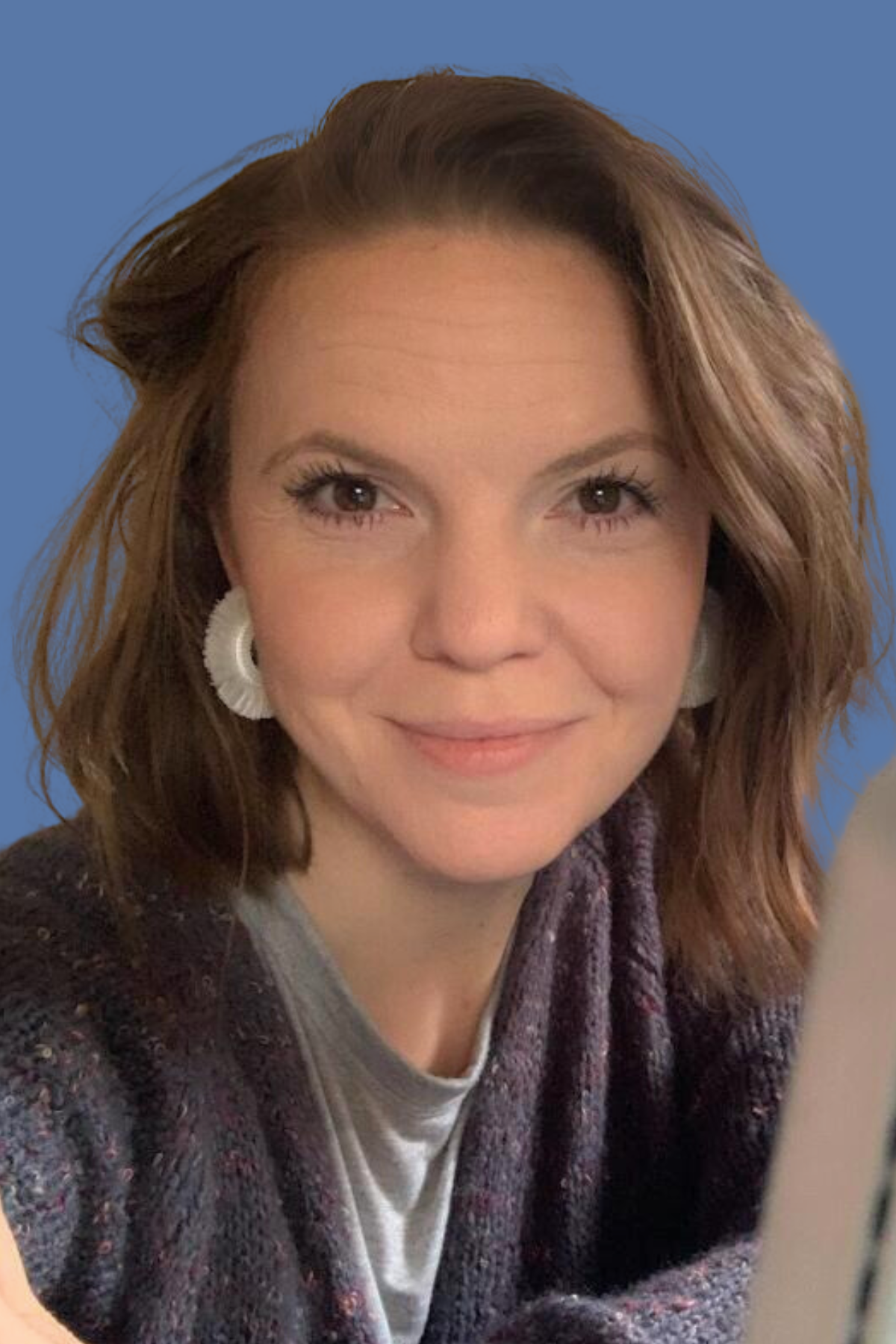
Heather Volchko, BCBA
Hosts: Flora Yao and Cass O'Hara
Guest: Heather Volchko
Flora: All right, so we're back for another episode of our summer series, Ask Me Anything. I'm Flora. I've been here with TLC since the beginning, so I kind of know what's going on around here. And we have Cass again. Cass, tell us a little bit about yourself.
Cass: Hi. Thanks, Flora. I'm happy to be here. I'm Cass O'Hara. I'm a current BCBA trainee. I'm also a teacher with one of our nonprofit district partners. I'm also partnering with TLC and the nonprofit for some dreaming for the next school year. We just finished an episode about just who Heather is. And a massive thing that Heather lives by is the phrase of “Just keep walking”. And so we want to talk a little bit more about who we're walking with. So, Heather, can you tell us a little bit more about who it is that TLC serves?
Yeah. So our student population that we have supported over the years has sort of shifted. So when we first came in, my background, like I shared last episode, is really focused around social, emotional, behavioral, and mental health needs. Diagnosed, undiagnosed, Special Ed, 504, MTSS. It doesn't really matter; that's just been my crew. Although I started with downs and cerebral palsy, and your life skills, low incidence population.
And my first job as a BCBA was also in that same life skills, low-incidence population. And so I've lived in both worlds, but I find myself most drawn to that high-incidence population. So when I was launching TLC, like we were talking back in episode one, that was about as big as the dream, right? Like, just go help where I can and just support. And because I can kind of do both, but I lean more toward that high incidence, that's sort of where I had seen us starting.
And so at the beginning, we had started primarily on high incidence. So, Autism, Asperger's, other health impairment, ADHD, ED (emotional disturbance), any of the mental health things that are popping in there. But we didn't tie it to having to be in Special Ed or 504 or even having any formal plans around it. Just any of those students that were kind of just outside of the norm. And we, you know, the school teams needed an extra set of eyes to figure out what's going on with them and if that was them as a student, like a case, or if it was programming around them, how do we meet the needs of that population?
And then that is what kind of walked us. We've done anything from the therapeutic spaces all the way through, like gen ed classrooms, but still focused on that same population. Well, very quickly we started getting more asks for more intense needs because, of course, behavior, right? So, people see BCBA, they think of intense behaviors. And so we started getting pulled into a few cases that were more low incidence.
And as that started to happen, I started recognizing, although yes, I have those competencies and I can do it, I'm also lucky that I have other people around me who actually really love doing it, and it is their passion to serve those populations. And so that was part of how we grew into that space and really started showing up for more of those low-incidence needs. Now, over time, what we've noticed is there's a lot of organizations, if that's local community partners, you know, just a variety of different folks already in the low incidence space that are already doing really good work, and we didn't really need to replicate that. Instead, we could just simply partner with that. And so that's part of like a couple of our current community partners on the nonprofit side, is that we, as TLC, do not have to serve certain populations in certain ways. We can actually leverage our community partners who have great practices and phenomenal people with hearts of gold to serve those populations.
And so for us, we've been able to continue to meet a pretty wide range of student needs, but be able to do it in creative ways. And so for me, I get to live in that high-incidence space, and I've got a couple of our consultants that live with me in that space. And then we've continued to serve the low incident space, but in a very different capacity because it's a lot of through partnerships. If that's us directly or partnering with folks that the districts are already partnering with to really refine programming, because a lot of times that's in different settings, not necessarily a school setting. So we can help translate some of those non-school practices or recommendations into what that would look like in practice in schools. And so we sort of stood as translators between multiple spaces to bridge that expertise into school settings around those populations.
But yeah, I think at the end of the day, like we're just serving the outliers, the kids that don't fit in any beautiful little pre-existing box, or certain service strands or streams are available in different districts or through different protocols. And a lot of times it's these hybrids of, well, it's sort of this and it's sort of that. So, how do we serve that population? And so that's end of the day, where we keep saying we just serve complex youth, ones that don't really fit in any box, but they're still here.
And schools, from the conversations I'm having, are having more and more kids that do not fit in the pre-existing boxes. They're a little bit of this and a little bit of that. But how do we build programming that not just serves them, but is also something that staff can implement and fits within the capacities of the local school systems? And so that's kind of our student population at this point is just those complex outliers that, yeah, aren't fitting in any boxes, and we just got to figure out how to serve them.
Flora: Yeah, and you just mentioned something about helping out the staff, too. So, can you go a little bit more into how TLC also serves staff?
Heather Volchko
Yeah. Man, that has looked so many different ways over the years. So we've served staff from the sense of like a district just calls and says, we have a need, we need you to come in and fix it. And so it's been this very like top-down, we are the outside person coming in to step into a variety of different, different ways or reasons, but it tends to be a little bit more directive.
That is my least favorite; I quite honestly avoid that like the plague. And so then there's a whole other side where it's like we've got some really good people. Could you just come in and keep caring for them and supporting them? Because I don't want to lose them. We've got a couple district partners right now that I think they could, they could keep going like they would be able to make things work.
But I have so appreciated their intentionality of, you know, even just on these light touch little things on a recurring basis, just to kind of keep the wind in the sails of the people doing the hard, heavy things. I've so loved the partnerships there because that's just more organic, it's more real. There isn't anything really contrived around that. Now, of course, in certain meetings or certain situations, one side or the other, it just has a space like it has to show up.
But for us in terms of how we support staff, I'm always asking, like, you know, your people, how will this work for them the best? Right? And so for some staff that has been like, get in my classroom, co-teach with me, show me all the stuff that you're talking about. Get in the mix. I've other staff who are like, ' No, thank you. ' You tell me what you think, and then I will do what I think you're saying, and you tell me if I'm doing that correctly. Right? It's very much so, like, I'll receive feedback, I will implement. You tell me if I have implemented feedback correctly.
I've also got folks that are like, you know what? I just, you know, don't hit me with anything during the school day. I have no time for anything. But at night, after the kids get to bed and whatever, then, yeah, sure. I'd love, like, if you could send me some learning or an article on whatever. Like, can you tool me up with this so that I can learn those things? But don't hit me with that during the middle of the day. Other people are like, my outside of school life is crazier than my in school life.
Cass: Yeah.
So anything you need me to do needs to fit within this 15-minute block that I've got when I'm trying to heat up my lunch, walking down the hallway, or whatever. Can I plug into part of a podcast, can I plug into whatever it is that I can kind of bite-sized and then we can kind of daisy chain that along the way. So, for us, how we have supported staff has shown up completely differently. But I think that's now where some of the conversations we'll get to have with Matthew a little bit later, we talk about just how has TLC as a business kind of grown into the different corners that we're standing right now is because of just seeing our people, you know? What works for them to be able to get what they need and go do what they need to do.
We don't have to have a box that we fit into, so that we can only work with people who fit into our box. Instead, it's, well, what do you need? Cool. We can meet that need, and we can be creative in how we do that and how that shows up. And so that's extended and expanded our own service models of how we are then able to serve those staff. But at the end of the day, the staff that we partner with the best are the ones who have some competencies in their own right (typically, they don't recognize it) and they're trying to learn it. Right? They know that there's stuff that they don't know, and they don't know kind of where they're headed or how to get there.
And those are the people. If that's from directors, the whole way to practitioners, paras, classroom teachers, the whole hierarchy within schools. We partner really, really well with people that are like, okay, cool, take that nugget, tuck it in, start implementing, and start- keep walking forward, kind of a thing. And so I think regardless of what hierarchy or what services we're there for, what outcome that is that they're trying to attain by accessing anything that we offer, it's typically staff with a mentality of trying to figure it out, knowing they don't have all the answers, but they're open to trying to figure it out. And then we just tap them into different resources or folks on our team and just kind of keep their work moving forward.
Cass: It sounds like there has to be a lot of malleability in what you do. I think that's the nature of education, behavior change, and all the worlds that you're melting together with TLC. And that malleability then sounds like it's an asset for the company to continue to move forward as times change, as education changes, as behavior changes. So my question for you is, at the beginning, and as we learned in our last episode, too, you did talk about how you've always kind of had this open mind of looking for the next door or looking for the next opportunity.
Was there ever a moment where you kind of boxed yourself in? When the brainchild of TLC started in its original form, did you kind of look at it and say, We're going to fit in this box, in this facet, for this need, or was it kind of like, let's go! So, which was it for you?
Gosh, Flora, man, I would love your feedback on this, too, because you've been along the ride. I think both, both/and? Like, wherever we're at in the moment, we need to own. And so our team has never done anything where we're like, eh, maybe, and then like, see if it sticks, whatever, because we've never started doing anything that our district partners or people in the field like, that we don't know is a need.
And so we've always had really good, I mean, in the business world, they call it market fit, right? So like, we've always been pretty locked in because of people that are partnered with us and them giving feedback, and we just having that natural, organic conversation. We've never done like cold, like, let's just float this out there and see what sticks kind of a thing. So anything we've done, it's just been “own it”.
Right?. And because we already knew it was a need before, kind of like walking into it, I don't know, like it's easier to own it? And just kind of see where that goes. But some of those things then do only serve for a season. So like, I think back to some of the stuff that we did in COVID, like some of that is for a season. Now, in the current season, there's aspects of those things that may become relevant again.
And so we've been able to pull on prior things for a new, more current application of those things. It's not like the same thing translated the whole way through all those years. But yeah, I think it's probably a both/and, right? Like we're fully in and doing what we are doing at the same time, keeping those conversations going and dreaming about what could be next. And so we're sort of eyes open and seeing. Okay, so what do we retain and how do we- do we need to just adjust it as opposed to full pivot or full development, or sometimes there's things like, no, we just need to develop that.
Like it's a massive need, glaring gap, and we just need a big development push on that to make it reality. But yeah, I don't know. I think your question, I'm thinking it might be both/and.
Flora: Yeah.
Cass: Which is fair.
Flora: Yeah. And Heather, correct me if I'm wrong, but I do feel like when TLC started, maybe it wasn't in a box, but you did have- You saw some needs and you're like, okay, we're gonna target this. But it was also very, I don't know if you want to say open-minded or open-handed. And like, as you saw more needs, we kind of expanded. So we didn't necessarily pivot, but we definitely expanded. And that's-
Cass: Kind of branched off.
Flora: Yeah. And the people that we brought into the team, it's like you saw a need, you found the person that could fill that need, “welcome to the team,” and look at us now. You know? And it's just expanded and expanded and expanded. And you can't make up those stories of how crazy fast TLC expanded in that area.
That's so- Like thank you for saying that because you're right. I just forget about these things because I'm just in it, doing the thing. Yeah. Thank you for saying that, because yes, it was, okay, now we're starting to get more asks that are a bit more Low incidence. And yes, I have those skills, but I have other people that could do it better, faster, like, they would be a better fit for it.
And then brought them in, right? So then I'm starting to have conversations with either certain positions in districts, and I'm like, I can get them going. Like, I can get them further than where they are right now. But I was also watching, like, I'm gonna end up tapping out at some point, right? Cause I have not stood in those shoes. I have not walked all of those positions, right? So for the things they're trying to figure out now, I'm good.
But I can see the moment where I am no longer gonna be a fit, and I don't have that connection for, like, you really need to go connect with so and so. So you're right, Flora. That's when our team, like our consultancy team grew, is because I was like, okay, I can get them so far, but I really need someone who's held that position, walked that walk, had to figure out those things from that positionality to be able to step in and be like, hey, been there, done that. Yes, it's hard. And I can walk with you through those things in that depth of professionalism.
And yeah, that's exactly, internally, where we started expanding our team services. Like, we're still coaching, meeting needs, helping people keep walking forward, and keep figuring out the things and keep doing the stuff. But to do that with someone who's been there in a certain way, it just gives it a different kind of weight. I mean, I don't think I'll ever forget standing in a classroom with an ED teacher, and she asked a question, and I was like, oh, yeah, we can do that. No problem. And she just started crying.
And it was like, wait, what? Like, not the response I was anticipating. And she's like, no, Heather, I have asked so many people that exact same question. And it was a basic question. It was just how to do scheduling with multiple grade levels, multiple subjects, right? If you work in the ED space, that's just normal. And so she literally just starts crying because she's like, I have asked so many people that question. And they're like, yeah, that's a great question. That's a really great question.
Right? So I knew the power before even launching TLC. I knew the power of not “been there, done that, look at me, I'm amazing.” It's “been there, done that so I know how hard it is, and I know all the trade-offs; there is never a good, clean answer. There's always you're saying no to something every time you're saying yes to something else.” Right? It is always hard decision-making, but to have walked that? There's so much power in being able to be like, no, I get it.
Right? Like, from the inside of whatever world that you're sitting and looking out and trying to make sense of, like, I get it. And so I wanted to make sure on our team we had people that could stand in that same capacity that I was able to do and would be able to take that further than what I myself could do. And that's really where our team started growing. You're right, Flora.
Heather Volchko
Flora: Yeah. And that's, I just want to point out, that that's something about you personally and in the business that I really admire and is very inspirational of being able to see, like, oh, that's something that I can't do, but I know someone that can. And so it's not like an absolute, no, we can't do that. I'm sorry.
It's like, actually, you know what, let me look into that for you. And like, and lo and behold, you find somebody, and then you can fill that need too. And like, that’s an amazing thing that I love about you.
Cass: I think it's something that's rare too, you know? Absolutely one of the first things I recognized about Heather when meeting her, and it's one of those things where it's like, I need to understand, in order to be the best leader, right? I need to first see the people that I'm leading and truly see them, right? In all their humanness and all of their nature. And then I need to be honest about my level and my scope. Right? And in theory, we can know a lot of things.
However, being able to work alongside somebody who has experienced it and the reason that's the reason they see us, even kind of on a deeper level. And I think, Heather, it seems as though you've become this kind of master facilitator for one. And you had to step out of ego, you had to step out of that perspective of, God, is somebody going to see me less than if I don't have all of the answers? Right? Like, actually, no.
There's so much power that comes in, especially in times now, I think people are more likely to be on the end of fake it till you make it right? We have that mentality of, well, if I act like I know and I don't, then I'm more likely to keep this position, or this power. Where on the other end of that is like, oh, but you have a high likelihood of failing or failing the people that are relying on you. And so the strength that comes behind the leadership that says, I don't have that answer. I don't feel like my answer is good enough. So give me a second.
I'm gonna go find that answer, or I'm gonna find you someone who's gonna give it to you better than I can. And in order to be able to grow a business, I think, especially in this field, which could, like I said, box you in, right? From the jump, you could have boxed yourself in. But that mentality of saying, no, let's keep resourcing and let's keep sourcing out to people that have stepped into those scopes more than I could humanly do myself, and let's connect the people that can facilitate that.
And it seems like it's almost like a movement, right? Where you connect with these people and however long or brief your contact with them is, you can continue to grow that business in a sense of we have resources all over the country, internationally now, right?
That we can reach out to and say, actually, I know someone in that area. Hey, actually, I need this part or this facet filled. And while that person doesn't necessarily run in that scope, I know they have connections to it. And to be able to, I think you said in our last episode, was to walk away from a situation, leaving doors open. And knowing that if I left that or maybe you don't work with that person anymore, but I have left that door open so that if I need to reenter, I need to come back or I need to show someone that door, I can.
And then it's seeming that as you've developed this business and grown and done all of these different services, it's not a one-size-fits-all all. And gosh, as much as we'd like it to be, it's not always really an outline. Sometimes it's just like this exact combination fits this exact situation, and we're gonna find a way to fit ourselves into whatever that is and meet those needs. So are there any needs that you have yet to facilitate meeting or any aspirations that you have for TLC that you're hopeful that the future, either near or far, that you're willing to share?
Yeah. I think, like I was saying at the beginning of this conversation, we have never met needs that our district partners or folks who are reaching out, asking like, hey, do you have-? Hey, do you do-? Right? Like, we've never really had an idea and floated it out into the world. It was more like the idea came to us, and we could creatively figure out how to meet that need. And so every time, especially if I'm looking at potentially partnering with a district, I'm always asking, what are the outcomes that you need from this partnership? And from those outcomes, then we curate. What are those different options? And so that's where I love having a both deep and wide bank of variety of different ways that we could achieve those outcomes in partnership with our districts. And so I think for us, some of the gaps that we're noticing now, in this moment in time, and looking forward to next school year, is just not knowing how many specialists districts will be able to have in-house. Right now, there's quite a few.
But how they're there and why they're there and the work that they're doing while they're there, there's just a lot of really big question marks, and it looks completely different from state to state. And so I think something that we are very aware of is just the unknown. We continually talk about- If it's through our digital space, if it's through our partnerships, we're constantly looking at how do we extend and expand that local capacity, but that… it has a foundation of who's already there.
Like, who's already there? What are they already doing? We don't need to also do that. We can extend and expand beyond that. So that means in some places, we're doing some very basic things because they don't have those basic things covered. And in other things, those are well covered. We do not need to do those things. Right? So now we can really push it beyond. And that's driven by the locals. But now knowing, walking into next school year, that that capacity, that threshold may shift.
And so I think for us, we don't have big aspirations. Like, our aspirations are to continue to serve the people, right? To serve the people who are serving the people. That is literally like, why we're here. But at this point, we've just, we've built a lot of those capacities, and we have a lot of folks standing in a lot of those corners so that we can say yes. Right? Like, a lot of what we've been talking about is positionality.
Are we positioned to be able to say yes and curate some creative combination of something that will meet whatever those needs are that are showing up in a meaningful way? It's not just like, here's our service model. Plug it in. Right? It's like, what do you actually need? What are the outcomes you're trying to arrive at? And that could be as a district or as a person. Like, as a practitioner, I am no to saying I need to learn these things, or I'm trying to figure out these questions. Right?
Like, we now have the capacities to actually meet some of those things. So our aspiration is just to keep doing it. Right? Like, and so I think as a business, and these are the conversations that I think Matthew and I will get to have a little bit later in this season is like, so as a business, what does that mean for us to be able to be operationally set up, to be able to say yes in the multiple question marks of the current moment in time?
But, yeah, I think aspirations is literally just to keep showing up to help the people that are doing the work at that local. To be able to support them, to continue to do their thing.
Flora: All right, that's amazing. Thank you, Heather. So we did talk a little bit about, like, our team and the people that we've been bringing in. And so, spoiler alert, I feel like we're gonna do a whole episode on that because there's so much more to cover, so that's pretty exciting. So I guess you'll just have to tune in for next time. Thanks for hanging out with us, guys.
Thank you so much. This is so good. I'm so glad that these conversations are being had, because it is the stuff behind the scenes that nobody really gets to see or hear about. Yeah, I'm excited. See where we take the team next.
Need something?
-
Threshold Learning
205 N Michigan Ave, Chicago, IL 60601 -
university@thresholdlearning.org
-
support@thresholdlearning.org
Let's be social!
Copyright © 2026