
Ask Me Anything
Clarity in Chaos
Episode Description
Key Points and Takeaways
-
The team shares what it really takes to turn messy beginnings into meaningful events and resources.
-
Finding a rhythm between life and work isn’t just nice, it’s necessary when the work never really stops.
-
Heather walks through the systems she leans on to keep everything moving, even during the busiest seasons.
-
There’s something grounding about being on-site—and Heather explains why those visits help her refocus.
-
Through all the change and chaos, the team stays anchored to TLC’s mission and the community it serves.
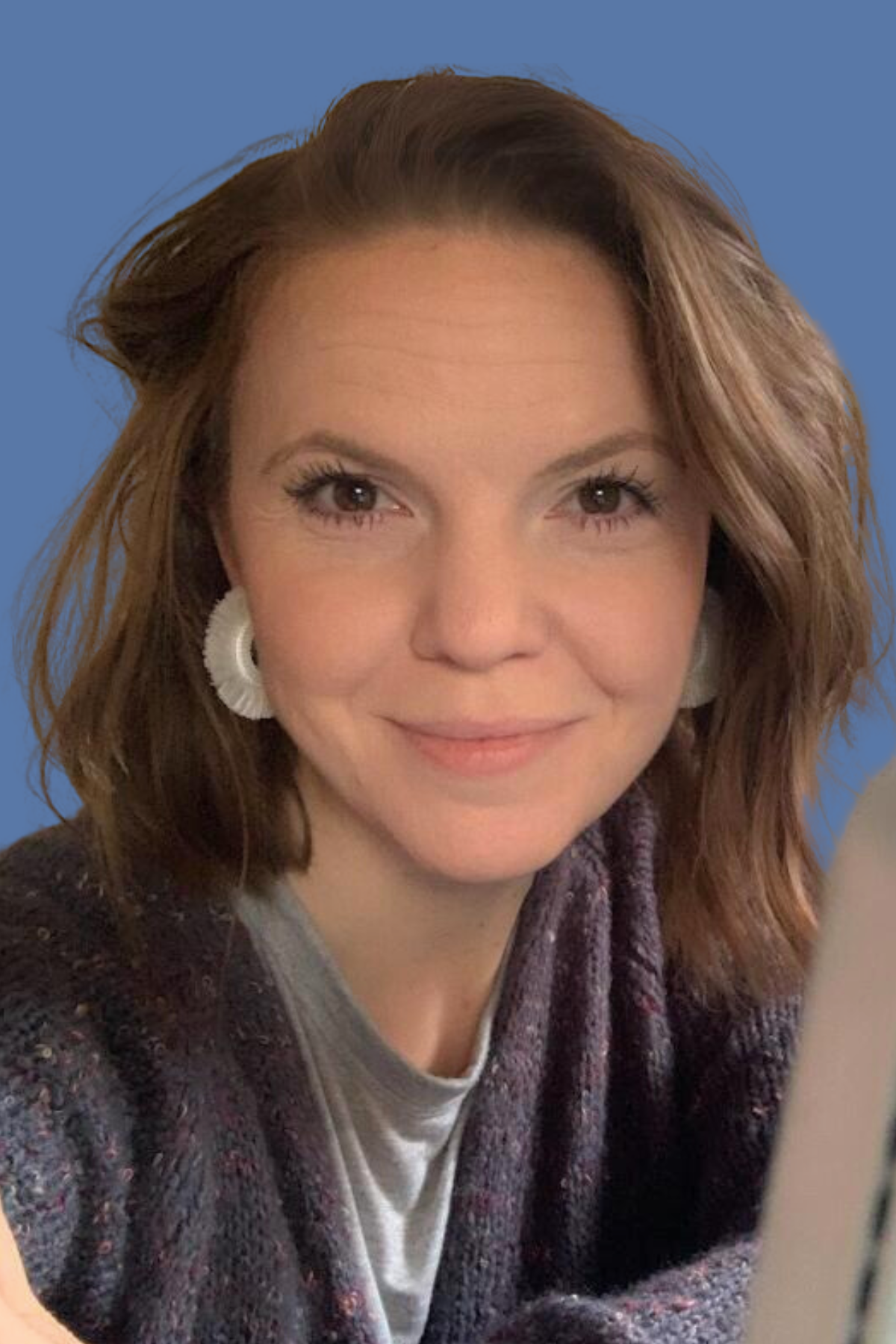
Heather Volchko, BCBA
Hosts: Flora Yao and Matthew Hayes
Guest: Heather Volchko
Flora: All right, so we're back with another episode of our mini series, Ask Me Anything. I'm Flora. I've been here since the beginning of TLC, so I kind of know everything that's going on around here. And then I'm also here with Matthew. Matthew, tell us a little bit about yourself.
Matthew: Hey, y'all! My name is Matthew. I'm excited to be here with you guys, too. I started with TLC as one of our coaches, and now I get a chance to be one of the founding directors of the nonprofit.
Flora: So today we're doing something a little bit different. We're going to kind of take a peek behind the curtain of TLC. All the stuff that people usually see, Heather, on our website, on our social media, it's usually like the finished products and the events that are coming up that are already structured and everything. But that's only the tip of the iceberg. If you kind of look under the water, it's a little chaotic.
Flora: So there's so much that goes on to make an idea or a TLC dream become reality and to get everything polished and published and out there for everybody to see. So in this episode, we're gonna take a peek behind the curtain and show a bit of the chaos that gets tamed into these nicely packaged products and events that everybody sees. So, Heather, I'm gonna start us off with a great question of how a typical work week usually looks for you?
I don't think there's anything typical about it. I don't think I've ever had two weeks that are the same. Yeah, I think, honestly, a typical week is just a mashup mix of all of the things. It's just a matter of what days it happens and what time of night it happens, and who's available when, and trying to meet those needs as they come up. But for me, typically, it's going to be a combination of the things that people see.
All right, so things that we're putting forward on site, different meetings. I'm showing up in those kinds of things. But behind the scenes, then we've got a whole bunch of work that is. I mean, even just in the production side of turning ideas into digital products and getting the messaging out and communicating that, and getting the right people in the right courses. And if it's like emailing with different university partners or new trainees who are trying to figure out if this is a fit or not.
Right now we're piloting a one website chatbot, and I'm on the Receiving end of it, which has been super fun because then I get to just interact with folks that are coming through the site, being like, tell me more about this course, or is this actually a fit? Or this is who I am. Am I appropriate here? And it's just been really sweet to talk to people that I have no idea who they are, but they're genuinely just trying to figure out where they fit. So that's been a new, fun little corner. But that's, I mean, literally anytime it comes through is someone's online and they open up, chat, and then I get to start talking with someone there too.
But, yeah, so it's just. It's a really wide mix. And then I think there's even seasonality to i, too, right? Like, different months are heavier or lighter in different corners. I mean, right now we're recording it coming into summer. And so for us, some people think like, oh, cool, like education. You can just kind of kick back and start relaxing. Well, what's true with TLC is that a lot of times when we are doing the massive lift of all of the things, we are in a place where we can just show up and serve throughout the school year. So summertime is usually kind of double time for a lot of our folks around here.
Flora: So, as I said earlier, I see pretty much everything that's going on around here, Heather. So to be honest, I've seen your calendar, your work calendars, and let's just say, very colorful.
Yes. Oh, I know. And you know that about me, too, though. I appreciate a good color coding system because it helps me know when I'm just looking at my calendar. Different colors mean different things. And so I can figure out what kind of day I'm gonna have, what types of demands are going to be on me based on just the hype, like the colors that are in the different calendars that I carry. But. Oh, yeah, you are. I think.
I think you might be the only person who actually sees all of the calendars.
Flora:At this point. I can open it and not, you know, get startled, because I'm used to how it looks.
That is true. It used to stress you out so hard.
Matthew:That's so funny. I mean, I think that actually brings up a really good point, and because you already hit on two things, but I definitely want you to maybe take a few minutes and just talk about what some of the systems are that help you stay grounded in the midst of chaotic weeks, and just all the things happening. Like one, using a calendar, right?
Like, calendar is king.
Matthew: Right?
On the calendar, it's not happening 100%.
Matthew: Right. And also, you got your own color coding system. And like, so that's just like two things that you just happen to mention. But like maybe if you want to play more in that bucket, totally go for it. But what are some other things that, like, really help you kind of stay organized and not run your head into a wall, but like actually stay sane as you're building this foundation?
Yeah, I think for me, I've always, I mean, I grew up, my parents are programmers, so I've always been fairly comfortable with technology. I have always appreciated a good electronic system. There's a large part of my background where I would use handwritten physical notes. Especially as a teacher, you're writing out what lessons you're teaching, what days. And I could do that a lot easier on a big printed calendar and then just write in what I was doing when and see that month at a glance. So I think that serves a purpose.
But especially for the day-to-day, I tend to live in that, hour-to-hour. But then at the beginning of the week, it's what didn't I finish over the weekend, what was lingering at the end of last week that didn't make it through the weekend. Okay, now I gotta like find a place for that in the week ahead. So a lot of times I'm doing that, like week-long planning in that way. But then, typically, like the end of the month is when we're setting out. Are there any gaps? Are there any times that I'm like, Am I traveling to a conference? Is there something going on that I need to block out that time to make sure that I don't double-book myself?
And that's really like that zoom out and see the month at a glance. But then there are those seasons where, quarterly, I'll step back and just say, okay, what are we going to make happen these next three months? So, like that's part of what this week has been for me, is prepping for the summer because a lot of our People will show up with more or less time in the summer months, depending. Like everybody's schedules around here completely change for summertime.
But making sure that they're set up for what they want to be able to accomplish over the summer is a lot of the lift here, kind of headed in that direction. But for me, a lot of it lives in the calendar. I mean, even Flora, you and I were meeting earlier today, and you were giving me a list of stuff I need to finish up on. I'm like, okay, put that on my calendar here, put that on my calendar there. Right? And I know I have tried so many different systems of like sticky notes or different to-do lists online, all the things. And the reality is, if there's not time allocated to it, it just becomes this amorphous, ambiguous thing for me. And so even if I just put a calendar hold and it's like a two-minute thing, then I know it's there and I can see where it fits and I can make sure that I get it done, or I can drag it to where it needs to go.
So for me, that's one of the things that's been the most helpful. But gosh, I've got sticky notes everywhere. And even like email systems, I tag everything. I set up filters so that they come in an auto tag, so then I can just read it and file it or read the response file, which makes it a lot faster and cleaner. And then when I need to find something, I can just go pop right into that file and like it's all right there.
So a lot of that is just like systemizing things. But for me, it's what do I do on a regular basis? And it just needs to get built in. So if I am repetitively going in and saying, okay, this email is from this district and tagging it this way, well, then I just need to build an automation that'll come in and tag it for me and on. But then it's also like I've got communications coming through chat through text, through email, through like all these different channels.
And so a lot of times I'll just clear one channel, then go to the next one, clear that channel, go to the next one. But I'm very, I don't know, systematic in how I kind of process through that to make sure that I'm catching all the communications coming in from all of those different directions.
Mathew: So I'm sure that this has been like a learning curve. I don't think we started TLC where we are today.
No, not at all.
Matthew:I think it's such a misnomer that as you start building some massive business that work work-life balance is a thing. I think it's more so work a work-life rhythm. Right. Finding the dance in the day. So I'm curious, kind of where have been some things you've had to pivot over the last year or so that really have. I know today sounds like a really. I mean, granted there's a lot going on, but it's systematized to some extent. Yeah, but like I said, we didn't start here. So, like maybe there have been pivots along the journey that have really been meaningful for you to get us to where we are today?Heather Volchko
Yeah, I mean something as simple as, like, I know I had shared in one of the prior episodes, starting TLC was that I was just going to go help people, right? Whoever needed support, I'd jump in and help them out, and then quickly found ways that I could do it with other people, so that it didn't have to be me, being the only one meeting all of the needs, and that I could truly leverage the strengths of so many other people.
But that alone shifted the game, right? I wasn't scheduling my own time to be at a specific place to do a specific thing then. It was communicating with people. Hey, could you go do this? Is this something that you're good with, and how can I equip you to do that, and close those communication gaps and check? Are you good? Do you need anything? Hey, how to go? What should we do next time? You know, those types of things. So it just shifted from me being that direct service provider to checking in on those who are providing those direct services.
But then with that came so many other, like really cool growth opportunities that would not have happened had I just been running around being the one doing all of the things everywhere, all the time. And so that's where I've been able to have really cool conversations with the universities or different community partners and just kind of dreaming even bigger than what just one person running around could potentially make happen.
And I think those seasons, as those different people have come and go or different projects are going on, I hold that I kind of wear different hats depending on what's going on. And quite honestly, the first time I have been able to actually step back has been here in the last couple of months. So I could focus on some grant writing and some big picture, long-term types of planning for the organization, especially in the kind of like all of the uncertainty of what's happening at the moment.
But it was really nice to be able to have someone who could come in and really step into the shoes that I had been walking in for so long. And it's a little bittersweet because those are the things I enjoy. Like, I love just going on site and doing the thing. I was talking with someone earlier today, being like, Yes, I would come hang out in your classroom, no problem. Like, please and thank you. Like, that is just, like, my sweet spot. It's so fun, but there are so many other things that need to happen so that that can happen.
And so it's just getting those different moments when I can and supporting in all of the other ways in different seasons to make it happen.
Flora:Okay, thanks. No more pause. So I guess people will assume that going on site, like you were saying.
Is the hard part.
Flora:Is that actually true, or is that, like, the easier thing for you? Because you said you enjoy it. So is that actually the harder part? Or is there something else that's harder?
Yeah. So I think the days that I get to go on site are some of my favorites because it's literally why we're doing what we're doing. Like, everything. If it comes into business operations or different training or getting different viewpoints at the table to support different student needs like, it's all because of what's going on all day, every day in those spaces. So if that's like our trainees and all the stuff that they are trying to figure out, or folks that are coming into the university and they're trying to tool up on different things. Right? Like, the reality is it's coming from whatever is happening on the day-to-day on-site. So the days that I get to get into the mix, I love because I can actually just focus on one thing. Which sounds crazy because no educator ever does only one thing at a time.
But it's nice because I can just be on site and just do the thing, right? Like, with whoever, wherever it's showing up, whatever those needs are. And I. It's one of the few moments on my calendar where I get to just be, like, singularly minded and just fully present, because a Lot of other times it's like, okay, I'm gonna do a supervision thing. Okay, next half hour and I gotta jump over to this meeting. Okay, now I gotta jump. But like, it's this constant switching back and forth between different responsibilities or different corners of the company and different people working on different things. But when I'm on site, I get to just be there, like be there in the mix, do the thing with the people.
And I like, to me in my career, like, I've never wanted to step away so fully that I didn't actually spend time with students or like, wasn't actually in the mix with professionals. And so when I get to do that, I'm like, so here for it. Like, you need to go use the bathroom. Cool, I got you. Let's go. Right. It makes me so happy. But it is, it's, it is something about just like, I can just almost be like, be at peace and like relax into. Which sounds wild because I'm almost always there because there's some like not calm something that is happening.
But for me, I'm just like right in the zone, and it feels so, like I feel so right at home, and it's really comfortable for me, and it is. I can just do the thing right. Like just be there and do it, and like serve and support people. Especially like if I'm there. That's probably because they've been pretty stretched thin and tested quite a bit. So to just like walk in with them and be like, okay, cool, yeah, we got some angles, let's figure it out. Yeah, take care of yourself. I'll figure it out. Like, we'll put this together.
Yeah, it's just, it's super fun for me.
Matthew:It's so funny you say that. Yeah. Because like, like Flora said, I think most people would assume the opposite, that like going into the classroom is hard and working from home is easy, but like for you it's literally like reversed.
Oh yeah.
Matthew:So I'm curious, one around, like, what makes you say that? Right? Like what, what kind of happens when you do get a chance to work from home that makes it feel a little bit more complex, and also like, I definitely want you to share any random fun stories too. Like, for example, right now I know that our listeners probably imagine that we are in some high-tech studio and we got all these like blue fluorescent lights and cedar tables and swivel chairs and stuff, right? But like we're meeting virtually and I think all of us are in A different closet in our house.
And it's like, so, like, I think there's some really, like, random fun behind the scenes to the point of today's episode of Just Like That. People probably wouldn't even think to consider that, what, this is actually what life really looks like. So maybe play in that bucket for a second.
Yeah. Okay. So I think one of the things that makes on-site days enjoyable for me, and honestly, like, we're not. I do not live, like, in the backyard of most of the districts that we serve. And so I'm driving an hour or two or three hours to get to a district in the morning. And so there is just something nice about being up early when it's dark and it's quiet and like, the world is not on fire yet.
I live around Chicagoland. The roads are not as full yet, right? Like, you can just get on and go. So plug in an audiobook. And here we go. So again, like, another thing to be able to drive and just focus on the audiobook and any other thoughts that are coming to mind along the way is just like, again, I can actually kind of be singularly minded in that. And I think there's just like this clear start and stop to, like, I get in the car and I drive, and then I get on site and do the thing, and then I walk off site and get in the car and get in the car and drive, right? Like, there's just these, like, clear transitions where working from home is just constant.
Like, I can roll out of bed into my computer within a couple of minutes. Like, that is not the same transition as even driving 15 minutes. If I worked 15 minutes away or something like that. There's just something to be said for. For those kinds of natural rhythms that happen as part of commuting. And I think that's something that in different parts of my career, I've commuted different lengths of time. And I know that shorter, like, there's. There's kind of like a threshold for me, right? Like, about half an hour is good because then I can process everything I need to process for the day and figure out what I'm doing when I get to where I'm going.
And that's good. Shorter than that, I feel like I need to sit in the car a little longer and just like, finish processing out and then like, switch over to the next thing. But working from home, I mean, that isn't that. I mean, like, for me, the only break I get is walking from the office to the bathroom, using the bathroom, and back to the office, like for the next thing, which is just not the same. And so I find myself, I find myself more, I think mentally fatigued by having to do like that constant switching as I'm like shifting from one focus to the next focus.
And the working from home days tend to be some of my longer days because I can be online way earlier, as opposed to I'm just getting in the car and driving earlier. But then I'm still at home, so I don't have to account for traffic. Which means I'll typically put more meetings in the evenings on my off-site days. And then I'm in meetings until 8, 9, 10, 11 o'clock at night, depending on different time zones or when people are available.
Cause they do their work day, then they put the kids down, and then they'll jump on and we'll work on things. And so like, I think when I'm at home, then those days are just longer because it's quote unquote, like not as rough, those kinds of things. But then the reality is it's just a lot of code switching. So I'm like way more exhausted at the end of those, like work from home. But I've put in like a ton of hours today, kind of days as opposed to going and doing like a school day.
Heather Volchko
Matthew: Yeah, I think, I love that you said threshold, no pun intended. But like, I think that's so real and relatable because I mean, and there's a lot of research out proving what you just said that when we were, we all have a tendency to do that of like, well, I'll do this and I'll pick up some extra hours here and I'll add an extra meeting to the calendar while I wash the clothes. And yeah, like we all do that. And I think that's such a big piece to maybe talk to for a second of for our potential budding educators and entrepreneurs listening in today.
Of one, how do you start to identify when you're hitting that threshold of mental fatigue? Right. Like, do you have any like, signs that pop up for you internally of like, ooh, I'm getting close to that. And then when you start approaching it kind of, how do you, how do you pause or what do you do? Do you pause? I don't know, like, but how do you kind of approach that?
Yeah, so this might be a very simplistic example, but it is one of the first, like, precursors for me where I know, like, oh, I need to watch it. So the computer that I work at has two different screens. And so I'll have what I'm working on the one screen and all my reference materials on the other screen. And if I have a thought looking at one screen and then shift to look at the other screen, and I cannot remember what it was that I was just about to do, and I literally have to look back to the first screen to remind myself of, like, oh, right, that's what I was doing. And then I'm like, oh, danger zone.
Right? Like it's those types of things where I start to see that short-term memory slippage and just like that lack of retention and very simple things where I'm like, oh, gosh, okay. But for me, that means I just have to watch how much, how much switching I'm doing where I can have a conversation. Like if I jump into a meeting with someone and we've got a certain something that we're trying to figure out and we're just going to process it through, I still tend to be for myself. Like, I tend to be okay in those things. Even when I'm like, wait, what was I just thinking about? Where did that go? Like, feeling kind of scattered. As long as I can kind of jump in and really focus on whatever that topic is or whatever needs to get done, and like make that happen, I tend to still be okay.
But those are going to be the times where if I have to do like, I've got like 15 different little communication things that I need to knock out before I go to bed. And I am not retaining screen to screen. It's like, call it, I will do this in the morning, right? So set the alarm a little bit earlier or go wash my face, come back downstairs, and then knock out those last few things. But it just needs to be like a walk-away reset kind of, kind of approach to catching, like, where are my men? Like, where is my mental focus, or where is it? Not quite. Honestly, sometimes it's just not there.
Matthew:Yeah, I think one of the things that you just said, which is so huge, is permission. Like giving yourself the permission to stand up for a second and walk away, and to not guilt yourself, and to let yourself be a human for at least a few minutes a day. Right? So that is such a massive piece.
Right. So, like, how in the midst of just when you're approaching your day or your week or your month, right, and there's 50,000 things in front of you, how do you keep that vision kind of at the forefront of what you're trying to accomplish?
Yeah, I think for me, it's not even an active thought. It's literally just like, what are we here for? And the answer to that is like, well, what do people need? And then once we know, okay, like, that's what they need, then the question is just, then cool. How do we make it happen? How fast can we make it happen? What's the best way we can make it happen with them? And then that becomes the actionables.
But for me, it's not. I don't know, it's not complicated. Like, I'm lucky because I get to have such good relationships with our district partner leaders, the folks that are really championing, like, sustainable shift and, like, program development and really, like, staff development along the way, that when you have those good conversations, you just have a pulse on reality, like, what's going on?
And so if that's from our folks who are serving on site or doing different coaching pieces or conversations I'm having with leaders, like the days I get to go hang out in the classrooms, right. When you pull all that together, you just have a pulse on what's going on. So then our team, because it's interdisciplinary, everybody has their own backgrounds, their own, like, kind of way they're seeing the world. And so then they'll hear a conversation, and they'll be like, oh, wait, could we do this?
And then that grows into an idea that someone can take back to one of our people and say, Hey, is this a thing? Could that actually work for you? Does that meet a need? Like, I think you were talking about this? Is that sort of what you were referring to? Oh, cool. So, if we built it out this way, or would this kind of thing work for you? And you just like it's all just integrated in there. Which I guess, on one hand, it is kind of like a messy, all the things in all the places all the time, but at the same point, like, then we've never really done anything that hasn't been out of just clean, clear, direct alignment. Not just with, like, our mission. It's literally just with, like, what do our people need and how can we help them to meet those needs?
Like, it's just making all of that line up. But, yeah, I think it comes from ongoing connectivity with our people, knowing what we're doing, where we're doing it, how we're doing it, and what each of our strengths is so that we can leverage that, but then being so aware of what's going on around us. And so if that's with our district partners, local communities, I mean, I even follow a lot of our district partners. I'll follow their local news reports and figure out what's going on, because sometimes there are big things that happen in the community and that will have an impact on not just the students that we're serving, but also the people that we're serving.
And so I think just having that pulse in all of those different directions with all the different people at the table, it makes it really easy to stay on mission because we just get to keep doing the thing and show up and serve the people.
Flora:That's amazing. Yeah, this was. This was a really good conversation, and I'm actually really looking forward to the next one. We're going to have to cast back. So, Matthew, we'll see you in a couple more episodes. It's going to be great. All right, so we'll see you guys next time.Need something?
-
Threshold Learning
205 N Michigan Ave, Chicago, IL 60601 -
university@thresholdlearning.org
-
support@thresholdlearning.org
Let's be social!
Copyright © 2026