
Ask Me Anything
Do the Thing
Episode Description
Key Points and Takeaways
-
Transitioning from education to entrepreneurship requires a mindset shift—but not necessarily a change in values or strategies.
-
Failure is reframed as redirection; every closed door teaches something that opens the next.
-
Building a business means building a team—no one can or should do it alone.
-
Entrepreneurship requires both intuition and structure; trusting your gut still needs a solid foundation.
-
The role of mentors, experts, and strategic partnerships is crucial to sustaining momentum and learning through growth.
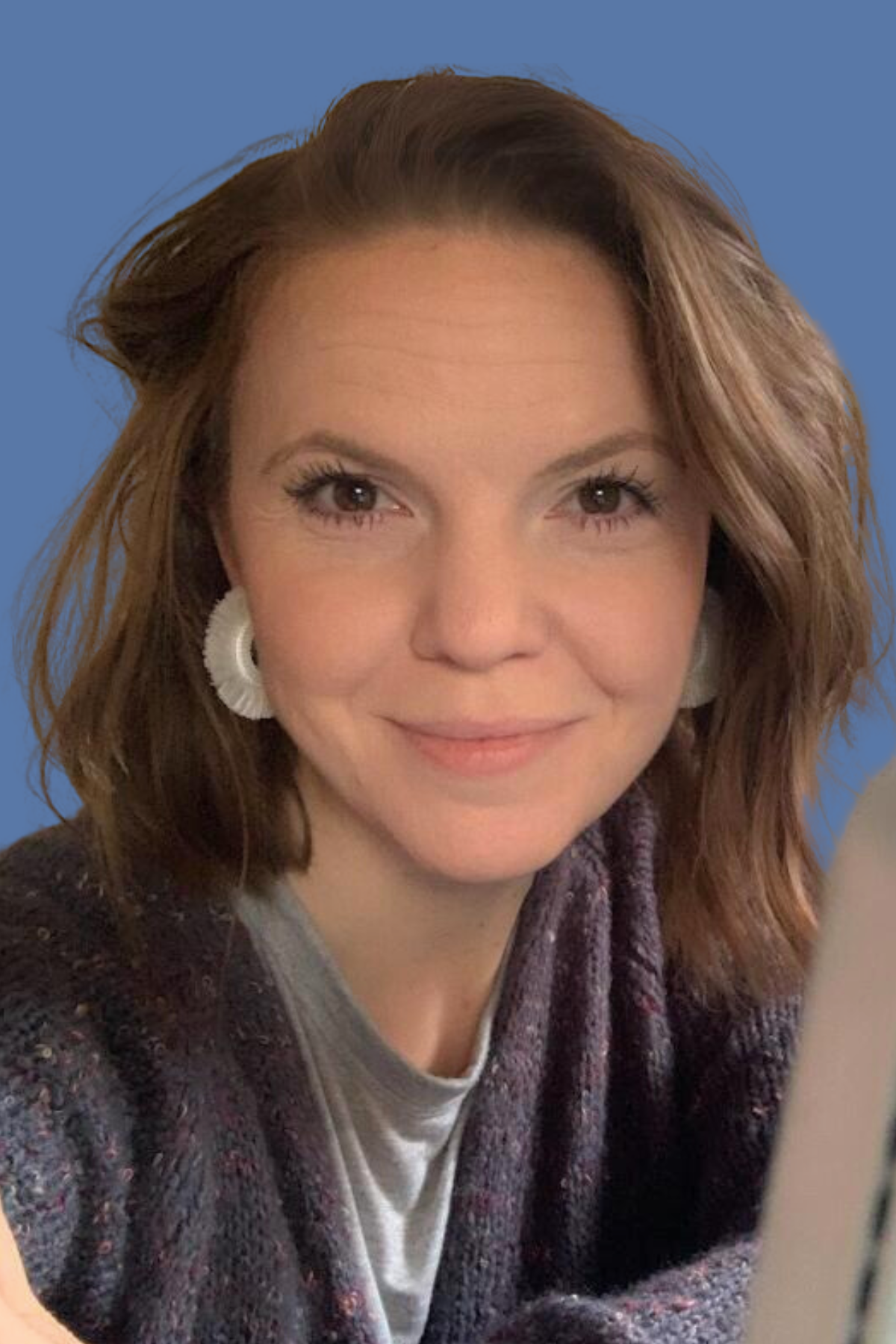
Heather Volchko, BCBA
Hosts: Flora Yao and Matthew Hayes
Guest: Heather Volchko
Flora: All right, so we're back with another episode of our summer miniseries, Ask Me Anything. I'm Flora. I've been here since the beginning, so I get to see all the behind-the-scenes work that goes on. And we have Matthew again. Tell us a little bit about yourself, Matthew.
Matthew: Yeah, absolutely. Thanks for having me back. My name is Matthew, and I got a chance to join TLC as one of our coaches working in the schools, and now I get a chance to be one of the founding directors of the nonprofit.
Flora: Cool. So today, Heather, I want to ask you. I've known you a long time. It's been.
Yes, you have.
Over 10 years. And when we first met, you were in education. So how in the world did you start a business? Where did this come from?
Yeah, I think one of the biggest blessings in starting a business is that I did not fully comprehend everything that it takes to run a business, because I think if I had actually understood that, I would have counted myself out long before I actually started successful entrepreneurs.
Well, it's like you get into it, and then you're like, oh, gosh, I don't know that either. Like, oh, but I don't know. Wait, where do I figure that? Wait, that's a thing, you know, and you just have question after question after question. I tell people entrepreneurialism is like when you walk into a room of doors and you have to pick a door, and so you pick that door, and behind that, there are more doors. And then the more you keep walking, the more you're like, what?
But, yeah, I think I'm just a naturally curious, inquisitive person. And so I think there's been different seasons of TLC where I really leaned into that curiosity and let's figure this out. And. And there are definitely seasons where I'm just like, I'm so over this. Like, what? You know, like, just cause the the pull, like the drain, I will say, of some of the aspects of entrepreneurialism. Don't get me wrong, education is rough. Like, I think it is truly because of starting my career in education and having that stamina to do really hard things over very long periods of time, with you know, little to no rest, and like, constant go is part of what is propelling me through the entrepreneurial, you know, lifestyle that, like, I. I just was not.
I was not ready for that. Like, I didn't know, did not know all of the things before taking the leap to make this happen.
Flora: Thinking about, Oh, you're gonna do this, and I'll start, you know, do the Social media, like, that's where we started. How cute is that? Thank you.
For real. I was like, Can you just post pretty things? Because I'm gonna stop doing that. Like, that'll be the first thing that goes. Can you just keep letting people know that we exist?
And now all the hats that you've worn over the years and the different things that we've grown into, it's just. Yeah.
Flora: So what kind of things do you wish you'd known before you started the business?
Yeah. So different seasons of TLC. I've definitely taken different approaches. I think early on, I didn't know what I didn't know, so I didn't even need to figure it out because I didn't know it was a thing to be figured out. So for that, it was like, easy. You just make things happen.
Especially early on, there was a lot of, like, word of mouth, and it just kind of naturally, organically grew throughout our first school year. And so I didn't really have to think about a lot of the business things in my mind. It was just setting it up so that our Light Touch team could be highly efficient. Like, anything that I'm building is like our people. TLC's people can just show up, have what they need, be able to, you know, access the communications that they need so that they can just log on, do their thing, and log off.
And so that was a lot of, like, the business development was really behind the scenes and just the internal operations to support people to have what they needed so they could do what they needed to do. But then coming into our second year, you know, you hit all of those bumps, the long entrepreneurialism and sideswipes and things you're not anticipating, things you think you have set up. And then you're like, that is not at all how I thought that was going to go.
And we had some really crazy stuff that happened coming into our second year. And I think in that season, that's when I started to recognize the, like, the magnitude of the things that I did not understand. And so for me, I'm a person. And I think you have seen this in terms of who we choose to, you know, welcome into the folks that kind of do the supporting through TLC, is I, I have a. A very large respect for people who are experts in their field, who are well practiced, deeply resourced, and who can explain, communicate, and support other people to do the same.
And so with a lot of the entrepreneurial pieces, I took the same approach right off the bat was I just want, you know, specific people in specific corners to be able to own it, teach me, lead me, direct me. I want to be a partner. I don't want to just like, here you go, do the thing. Because I wanted to learn and be part of that process as it was going, but it was. Let me find those people. And I also. There are so many horror stories. Like, if you get into entrepreneurialism, there are horror stories everywhere. And I, I did not want that to be the demise of the momentum that we were still kind of building in that season as well.
And so I was very picky, wanted, you know, good, clean connections. And they were primarily connections from, like, other connections. And so it was like someone could vouch for someone else, and we could kind of grow that way. And so there was a season of just really leaning into experts and allowing them to kind of guide and direct. And I will say, I think in that season that was great. And I needed that, like, strong solo voice to just lay that foundation for me in these different corners.
And that was super, super helpful. But there does come a point where I think on both sides, it's just like, I don't like, it's either, like, stale or not working, or maybe like, it's just no longer something that's intriguing because now we've. We've moved past maybe some of the fun, let's figure it out conversations, and now we're just into the make it happen types of, you know, interactions. And so different people are built for different things. And I know that's true for myself too, but I think that's where we saw a shift, where I was then no longer working directly with, like, a person in an area, but instead now we're actually partnered with consultancy models. So it's been really fun to experience a consultancy model on like the outside because that's how, you know, we've operated since.
Since the beginning. So now, like, our financial team is a consultancy model, our legal team is a consultancy model. Right. And it's been really lovely to be able to tap into one source and get so many different, you know, supports for all the different kinds of things that are coming through now. But yeah, different, different seasons. I've definitely tapped into different things. But I think, you know what? I wish I had known.
I'm kind of thankful that I didn't. Right. Like, because there are so many things. But to know that there are truly so many people out there who are also doing their thing to support other people to do. Just like we support, you know, our schools, our practitioners, our trainees, so that they can do their thing, there are people who can do the same thing for us, too. So I think it was just realizing like, well, who are those people, and what do they offer, and what do I even need? And trying to learn those things and then find those people and make those connections.
I'm so glad that I did not have to do that off the bat, like right from the jump that I could instead get in and do the thing and really vet it and know that it could work and then start flanking myself from that entrepreneurial side so that we can, you know, work on communications and some financial management pieces and really get that, that business stuff locked in after we really knew that it was going to work.
Heather Volchko
Matthew: Yeah. Like you said, there's a lot that goes into running the company.
Oh yeah.
Matthew: And I think new entrepreneurs don't always realize that. Like you mentioned yourself, myself as well, when I started my companies. Whether it's the vision and the mission. Right. Crafting that out, having communications, whether it's the legal and the structure. Right. Having lawyers and accountants, whether it's the financial pieces, whether it' product development and research or operations or marketing and sales and customer development and customer experience and team dynamics and organizational dynamics, and also technology and IT, and like cyber security and payment processing, they're just like.
Flora: Don't forget anything, Matthew. Don't forget anything.
Matthew: Personal development. How about just growing myself along the way?
Right?
Matthew: And it's like, I think I love the things that you're talking about because I think for a lot of new entrepreneurs, they think that they're starting a business, but they're actually becoming self-employed.
Right.
Matthew: And those are two very different approaches to running a company. So I love how much you've talked about leveraging the strengths of others, leveraging your network, bringing the right people in. Right. Building an actual team. Right. Because I remember a Maxwell quote, we've all heard it, like, it's lonely at the top. And I remember John Maxwell did a little remix, and he was like, It's lonely at the top. So bring people with you. Yeah, right. And like, pay it forward. Like build, build a community of people that are like-minded, going in the same direction. So I'm curious, leading all that to this kind of transitioning that mindset, what was that like for you? Because that's what I found to be the hardest piece for entrepreneurs and business owners is like going from that employee clock in clock, do this one thing, get this one result to a business owner's mindset, which is like, I might have to do a lot of things and do a lot of things I didn't expect to do and also have to figure out things that I didn't know I'd have to figure out and like, but still stay focused on where I'm going.
Right. It's like, what was that transition like for you to be from just someone who's in the classroom to now running a national organization with multiple facets to it? Like, how did you kind of mentally make that journey?
Yeah. You know, I've been asked this question in different ways over the years, and in a weird way, I don't feel like it was a transition. For me, the only transition was just the field. Right? Like going from special ed into, you know, entrepreneurialism. But the strategies, the practices, like the way you just communicated what entrepreneurialism is like, that's my career as a special educator. Right?
Special ed, I went into it intentionally because I could do so many different things. Like, I didn't have to pick a major. I could actually leverage all of those majors in just my classroom or just serving my students. And I've always worked with the most challenging students too, who also have the most kind of buried beneath the surface. You're never quite sure what you're going to get, types of stories or behaviors or, you know, views of the world. And so I've always kind of been okay with, you know, here's where we're headed. Right. Like, I think in special education, we talk about, you know, you got to get there, but we get to play along the way. Right. Like, we don't have to get there in a specific way because it's special education.
We get to come up with all different kinds of ways to do that learning and to still move in that same direction and still get to that same outcome. But we can do it in so many different ways. And I think that was just so natural for me to fit into like this business space because it's like, okay, well, that's where we got to go. So how do we get there, right? And then we would try this. That wouldn't work. And we try something else, and that would work. And then that would work for a season. That would stop working. And so it's just like this constant, but it's still the same mentality of there's so many different pieces that it takes to actually make this whole thing happen and to get progress to. To really move.
But it doesn't have to be just by this one thing consistently over time to get there. And so I think for me, I was just more okay with, okay, this served its purpose for a season. And, you know, the direction is still there, the vision is still there, the momentum is still there, but this piece is maybe not showing up in the way that it did before in this season. And so cool. Let's swap it out and figure out another way. Like, for me, that was just.
It was a natural fit. It was just a matter of instead of special education and working with emotional disturbance, it was in business. And now I'm dealing with like, finance and legal and all these other things. But it was still to the same end of like, we're going to get there. We're headed that direction. So who needs to be around? What do they need to bring to the table? How does that happen? And you just orchestrate it to get there.
Matthew: I think that's so good. Right. Of just like, it really is a mentality, and it's a solution orientation.
Oh, absolutely.
Matthew: What I want, and I know what I'm willing to do to make it happen, and I just love that approach to just life overall. So maybe I would love for you to just. Maybe just do a quick walkthrough of the journey to today. Right. Of, kind of where we began, like just a real quick high level. Because I know we started with TLC. Right. And then we started to bring on coaches, and then this team grew. Right. We had an apartment for the time being.
Right. Then we tried to figure out funding and a nonprofit for, like, just like, so, like, high level. Just a little walkthrough of the journey from where TLC began to where we are today.
Yeah. Okay. So I think some of the first things that I needed to learn was just how to convince people that I was trustable. Because there's a lot of very untrustworthy people in education consulting. Anyone who is not a direct district hire. Right. There's a bunch of, I would say, very business and sometimes just personal reasons that, like, they're not always good fits. And so I think the first thing that I needed to figure out was just me personally, how do I convince people that I actually have something to offer and that I can partner with them in figuring that out together.
But from there then it became, so then how can I kind of take that rapport that I've already built and share that with other people that were now joining our team so that it wasn't going to just be me showing up on site and I still have district partners that are like, nope, like you're going to be the one at the meeting. And so it's like, doesn't matter. But you know, you're my person. And so, like, how do I take that rapport that I've built and shift that into folks that quite honestly can show up better than me, which is why they're here. Like they have something beyond what I have to offer that is such a beautiful fit, but with trust, right? Like you just are, are you sure? Are you sure?
And so I had to just walk that with the folks that we were, we were coming in. And then you start getting, you know, more word of mouth. So now I've got calls from folks being like, Hey, so and so said I call you, I'm like, Cool, tell me more. Right? So now you're starting to like catch up behind the scenes because now you're finding there's all these other conversations that are happening around you, but about you. And really like encouraging to hear that folks are recommending, you know, other people should reach out to us.
But then that's a whole other layer because now you're working within the network, within the network, and trying to understand where some of those are and where that can be a beautiful thing, it can also be a catastrophic thing. And I think that's we we have danced in that space a few different times, where you see like that word of mouth being so incredibly powerful. But I will say, like it's a double-edged sword, right? Just where people are like singing your praises and being like, you should reach out and connect. There are people that are out there that like, well, they didn't fix this kid fast enough, or they didn't, you know, whatever.
nd then that will also run its own word of mouth. And so for me, some of the things that I was like learning were how do we get ahead of some of this word of mouth? Like, we can't just be reliant. And so then that's when I started into okay, now we need to figure out some communications pieces. And then as we're starting to get more, you know, more districts and then wider interest, then that's when I started leaning into some of the financial pieces. Like, I really want to make sure that we do this sound, that we are not out over our skis in any way, shape, or form, that we live within our means. Like, all of these things are very planned because, again, like, I was watching and, like, learning about all of these horror stories of people that were making, you know, big promises or taking on things, you know, in hopes of. And I just never wanted to be.
Be in that situation. So, to the best of my ability, I've always tried to be very frugal, but I wanted people who understood finance because, man, personal finance and business finance are so different. I learned the hard way, walking through thefirst couple of years, right? Like, it's just not the same. But until you have other people who can walk you through that, you're like, oh, gosh, I didn't know what I didn't know, right?
But I think in each of those seasons, you're just finding, like, what's the next thing to make sure that we can continue to show up for our people. Well, and honestly, like, some of that floor was along for the ride of even just some of the tech side of going, like, okay, now we're going to launch this whole, you know, virtual space to meet a variety of different needs, because that came out of some of those conversations. But now you've got a whole other team of people that you have to tap into for production or, you know, online community and, like, all of these things. So, like, each of those different needs coming up, I think for me, one of the biggest.
I don't know if it's been, like, a struggle or aha. I, like, forgive when we'll. Everybody is working at TLC because, you know, I started this thing, and there was, like, this burden or this onus of, like, so I have to be the one to do all the things. And it has been, like, so nice to learn that. No, like, there's actually a lot of people out there that are just, like, me going to schools, being like, hey, like, we want to partner. We're totally in this for you.
In their own corners as well, where they're like, no, hey, you've got a business. Hey, can I partner with you? Like, I actually enjoy this thing. So the number of times that people have been like, no, Heather, actually, I love this. And I'm like, oh, gracious, I hate this. Like, thank you so much for enjoying that. And really just, like, walking that out in enough. Enough times with enough people in enough different, you know, facets of all the things you listed off at the top of this episode, Matthew. Right. Like, to know that there truly are people out there that can and want to step into those areas and guide with integrity, I think, has been just a massive game-changer. So now I feel less like, well, I just have to own all the business stuff and figure out all the business stuff all by myself. And now I can partner with folks who already understand those things the same way that I partner with all of the consultants across, like, everything that we do, and trust them in their practice to serve our districts as well.
Heather Volchko
Matthew: And all that, and kind of given some of that mindset piece, because that's really the biggest part. And I'm curious now. Right. I think. I think there's a hand. There's a lot of people listening to this episode. Like, thank God that you recorded this episode, because I thought I wanted to build something. I think there's people listening, like, thank God because you sound like me. Right. I feel seen for once. Right. Like, I feel like I'm not crazy because I've been dreaming all these things and trying all these things, and I thought that I was the outlier, but now it's like, oh, snap, I'm on the right direction.
So I'm excited for that person who's listening in today who also proudly identifies as a high performer, like all of us here, who's just so driven to go try to make change in their communities, regardless of. Regardless of the percentage. Right. Because of the ratios, regardless of how likely it is. It's just this internal and belief that you can make something successful. Entrepreneurialism is like chewing glass.
It's like, if I knew what I knew now, then I would have never started. But there's an inside entrepreneur that's just like, success that, like, you know what? Regardless of the odds, regardless of what the world says, I think I can figure it out. So I'm curious, kind of, where'd that come from for you? Like, is that something you felt like you were born with, something that developed over time, or has that? Has your capacity just grown as you've been in this space?
Yeah, I think, to be honest with you, there. There are definitely moments where easy. I have, like, this righteous indignation of, like, I am not okay with people being taken advantage of. I am not okay with people not being served, supported, and cared for in ways that they. They could be or should be. I'm not even talking, like, fancy things, like, literally just basic needs. Like, I am not okay when those things are not happening. So I think for me, it's easy to.
To continue figuring out all the logistics and all the entrepreneurial things around it, because that's so deeply seated into just who I am. And it's like how we built TLC, like, which is no surprise, right? But I think I would absolutely be lying if I didn't say that there were days where I am literally, like, crying on the floor. What was I thinking? Why am I doing? Should I just apply to be, you know, some position in, like, you know, this district, this industry? That's whatever, right? Like, there's definitely those moments, too. And there are people around me, like Flora herself or even you, right where you have been, like, like, yeah, I hear you. I know this is really hard because it is hard. And go do the thing, right? Like, you know, I think it's not just, you know, bootstraps mentality of, like, oh, you just need to, you know, see the world in a certain way. You can show up and be this, you know, strong leader and overcome these hard things and the entrepreneurial journey. It's like, no. You also need people around you that may not understand, like, all the different things that are going on, but enough to be like, holy crap. Yeah.
Can I just care for you right now? Okay, cool. You're better. Okay, awesome. Keep going. Doing right. Like, that's. It has to be both, right? Like, to just walk the entrepreneurial journey alone. Like, oh, my goodness, that ties.
Matthew: Okay, so I got. I know we only got a few minutes left, and I got a couple questions I want to wrap real quick.
Okay.
Matthew: What is going to tap into what you just said around, like, trying to walk this alone? And I think that that's such a terrible idea. It's really hard.
It's so hard.
Matthew: So I'm curious, have mentors been a part of your journey? Like, have you pursued mentorship, and how's that helped you in this journey?
Yeah, I think in other episodes, I've referred to Dr. Rick Van Acker. He was the one who really convinced me that I could actually walk in his shoes, which are very, very large shoes to actually walk in. But, like, I think that was a starting point. But I think there was a moment where he and I both realized that now he was out over his skis. And some of the things that I had been starting up and kind of the.
The ways that we had dreamt up to serve people were outside of his. His wheelhouse. And so then it became, okay, so who knows those things? And, you know, how can I go learn those things from whoever those people are? And some of them have worked out really well, and some of them kind of like, okay, like, that could have been better. Right. But, like, you figured that out along the way, the same way as any of the districts who were just getting to know me. Right. Like, are you actually what you say you are? Can you actually do what you say you do? And, like, I just take the same approach, too.
Anything that I needed to learn was okay, so who's already doing that? Who's sharing how they did that? And can I go learn that and see if that approach could work for me?
Matthew: Okay. That ties really well into my next one, because I think there is energy behind entrepreneurship, right? Like, there is the data, there's the information, there's the research, there's the articles. But then there's also this part of running a business where you learn to trust your gut a little bit. So I'm curious, how do you balance your intuition with data during your decision-making?
Yeah, I think I am super lucky because I am flanked with people that are like, an idea, go do the idea. And I'm flanked by people that are. I will not even consider it until it is thoroughly detailed, defined, and fleshed out. Like, and I literally have everybody in the middle. And so a gut check for me, I tend to be sort of in the middle. Like, I'm okay with not everything being perfectly locked in before we kind of start moving.
But I am not a person to just get an idea and go for it unless it's like, oh, that's actually the answer to what has been getting figured out. Then we have turned things very quickly because it's like, the need is already there. Now the answer has shown up, and great, let's go. But I think for me personally, there needs to be some foundation, like, it's not just gotta be a good idea, right? Like, it's gotta actually be rooted in so much more than just like, wouldn't that be fun? This would be nice if, like, no, it's got to be well rooted.
And at that point, then you just need like capacity. Could we actually make that happen? And if the answer is yes, which quite honestly is kind of how our team has grown, the way it has is these different people have different interests, and then they champion different things. And so I can take that gut check of being like, this is kind of what I'm thinking. And then I can have a, you know, a little group of people that I think would be similarly minded or interested or intrigued by or be able to challenge me and like poke holes in things. I'm a person who's like, let's make, let's figure out how this does not work long before we actually do this thing.
And I think by having those smaller groups, that's like the affirmation piece. And there's only been a couple of times where I've taken things into, you know, a few other folks, and they give just the full stop. What are you even thinking? And then it's like, okay, pause, rewind, like back to like, how did I miss that one? And a lot of times it's just because I'm not always a great communicator, which is why it's humorous to me that we're doing this whole separate series.
But like, lot of times I've got way more thoughts in my mind than what I'm actually communicating. And so what I've shared does not make sense because they're missing so many pieces along the way. But yeah, so I think like, for me, that's kind of how it's gone.
Matthew: How have you changed since becoming an entrepreneur? Like, were there any limiting beliefs that you had to let go of, like looking back at who you were when you first started and who you are today, like, who's this? Like, what shifted in the version of Heather that we're talking to?
Yeah, so I think this question, I don't think I can answer without acknowledging the academia side of my career trajectory. Because a lot of what people talk about in entrepreneurialism is like the self-doubt or the imposter syndrome and all that. And good gracious, you cannot do academia without all that. To the point that in some ways it seems like it's almost like created so that to be a student in academia, like you have to have a significant amount of imposter syndrome. And like there's just some like weird twists if you're not, if you haven't spent time in the academia world, what I'm saying sounds like crazy, but if you've been there, you get it.
So to say like that, that whole part of my journey was getting figured out as the entrepreneurial side of my story was starting. I think if anything, the entrepreneurial world has affirmed that, like, there is really nothing to be worried about. Like everything is figured out about figureoutable. And there are amazing people doing phenomenal things that also have major blind spots and are completely clueless in some areas. And if you had an actual down-to-earth conversation with them, they would own it. But not everybody does. And so some people just bury it or hide it or won't talk about it or won't own it. And other people are like, Oh, heck yeah, here, let me tell you, like I know exactly where my blind spots are, that team exists, and like those kinds of things. So I think in academia, because everything is so like microscopically focused on like me, my work, my research, my, you know, trajectory, the dissertation, like all of those things, there was such a hyper focus on it is all me, only me, all the time. And like you just had to then compare yourself against all of these other things. And it's been really nice in the entrepreneurial world to just like blow that up, that it is not all me.
Like sure, I can be, you know, the founder of the company or the leader of whatever, but I am not the one doing all of the things, and that, that is completely okay. And quite honestly, in my opinion, the way that you survive it, I think that has been a really nice shift for me where I definitely have my moments of like legit imposter syndrome, but it's also much more balanced now with being able to see that there's so much more than that and it's bigger than just like what I myself am bringing to the table.
Matthew: Yeah, I love that. I mean, for me personally, I, I kind of chase imposter syndrome, which might sound like a weird thing to say, but the way that I kind of contextualize it in my own life is that if I'm doing the thing that I don't feel qualified to do, I realize that I'm already doing it.
Yep.
Matthew: Therefore, it's a reflection that I've. I'm not an impostor. I simply have stepped outside of my comfort zone. So for me, I start chasing that feeling because it's like you're growing, you're expanding, you're. You're. You're moving forward in some capacity. It doesn't feel good. Just like the gym doesn't feel good. I know that it's working towards a greater purpose. Okay, last one as we wrap up. Right.
How do you define failure now compared to maybe how you would have defined failure beginning this journey?
Yeah. I don't know if. I don't know if you're gonna like my answer, but, like, I've never seen failure as an actual failure, like, ever. I think in one of the other episodes, we talked about open doors and closed doors, right? Like, a failure is simply a closed door. So go find the open one. To me, it's. It's not. I mean, it doesn't make it hurt less. It doesn't make it, like, hard things to walk through. I mean, like, both of you have walked behind the scenes and some crazy, heavy, hard things that were massive side swipes that we were not ready for, like, as a. As a team, as a business.
Right. Like, not saying, oh, yeah, but there's no failure in that. Right. It's like, well, I learned a whole heck of a lot, like, you know, going through these things, and now I know way more about different things that I never in my work, like, wildest dreams would have thought that I would understand, but now I do because I've walked through some of these things. But I think it also, in each of those moments, just closed doors. Like, it closed doors that we did not need. And then, by those doors closing, other ones opened. And we've actually been able to show up and do things in ways that we never would have been able to do if some of those, like, crazy, quote unquote, failure moments hadn't happened.
But I don't know. I think that's just. Just me from the beginning. Like, I've never. And I know Floor. You can probably speak to this, too. Like, I. I've never viewed failure as just the full stop, what was me. It's more of just like, well, crap, right? And, like, mourn the issue, walk through the hard thing, but also know that, like. Cool. So what's next?
Matthew: Yeah, I. I love that because it kind of speaks to the way I look at it too, which is that failure is iteration. Right. It's just the next step. Right. It doesn't mean anything specifically outside of I learned something.
Something. Exactly.
Matthew: So this is really good. Thank you for sharing today. I know next episode we're going to dive into self-care. I think that's going to be a massive topic and really good conversation of as we're building businesses and as we're working with students and as we're going through changing and challenging times, how do we make space for ourselves? But I would love for you to kind of wrap this episode up with maybe any words to new entrepreneurs, right? Or people considering, you know, starting a business of their own. I'll just leave it to you to kind of close this today.
Yeah, it's hard, it's long. And don't do it alone. Right? Like it entrepreneurialism, like it is a hard thing, and you will figure out the next hard thing as soon as you think you've gotten over the other one. Right. Like, it's just, it's just constant. It's just continually hard. But if you're in entrepreneurialism for the long haul, like, like it's not going to go away. Like, there aren't overnight successes in the ways that it's, you know, popped up and online space. And this is all these things to try to convince you to like jump in and do these things in these ways, and you'll get these like immediate payouts. Like it doesn't actually work that way.
And so knowing that, like it is that long-term trajectory, like that's, you just, you got to see it that way. But if it's going to be hard and it's going to be a long journey, like, like you cannot do this by yourself. So, however, whoever, whenever, wherever along the way, and it'll change along the way, don't do it by yourself. Like, actually, flank yourself with folks that can support you and equip you and expand your own capacity in whatever ways you need in whatever season that is.
Flora: And I couldn't have done this episode without you, Matthew. Thank you. I'm excited for our next self-care episode. It's going to be great because that's everyone's favorite topic. Right? So we'll see you next time.
Matthew: See you guys.Need something?
-
Threshold Learning
205 N Michigan Ave, Chicago, IL 60601 -
university@thresholdlearning.org
-
support@thresholdlearning.org
Let's be social!
Copyright © 2026