HIGH-LEVERAGE PRACTICES IN Life Skills and Transition Programs

Data, Details, and Deep Dives: Exploring Data Application Alongside Stakeholders

Episode Description

In this insightful episode, we dive into the crucial practice of interpreting and communicating assessment information to design and implement effective educational programs. The discussion emphasizes the collaborative process essential to developing Individualized Education Programs (IEPs) for students with disabilities. Highlighting Lathyrelle's dual expertise in mental health and education, the episode underscores the significance of translating complex assessment data into actionable educational plans.

Key Points and Takeaways

  • Special educators play a crucial role in making assessment data accessible to all stakeholders, enhancing collaborative educational planning for students with disabilities.
  • Lathyrelle discusses the importance of bridging the gap between mental health assessments and educational applications to create cohesive IEPs.
  • Parents and teachers are encouraged to actively participate by understanding and discussing assessment outcomes, which fosters better educational outcomes for students.
  • Building a network of professionals across various disciplines can provide insights and support that enhance student success.
  • Educators are encouraged to embrace continuous learning and information-sharing to adapt and improve their teaching practices.
Podcast Guest

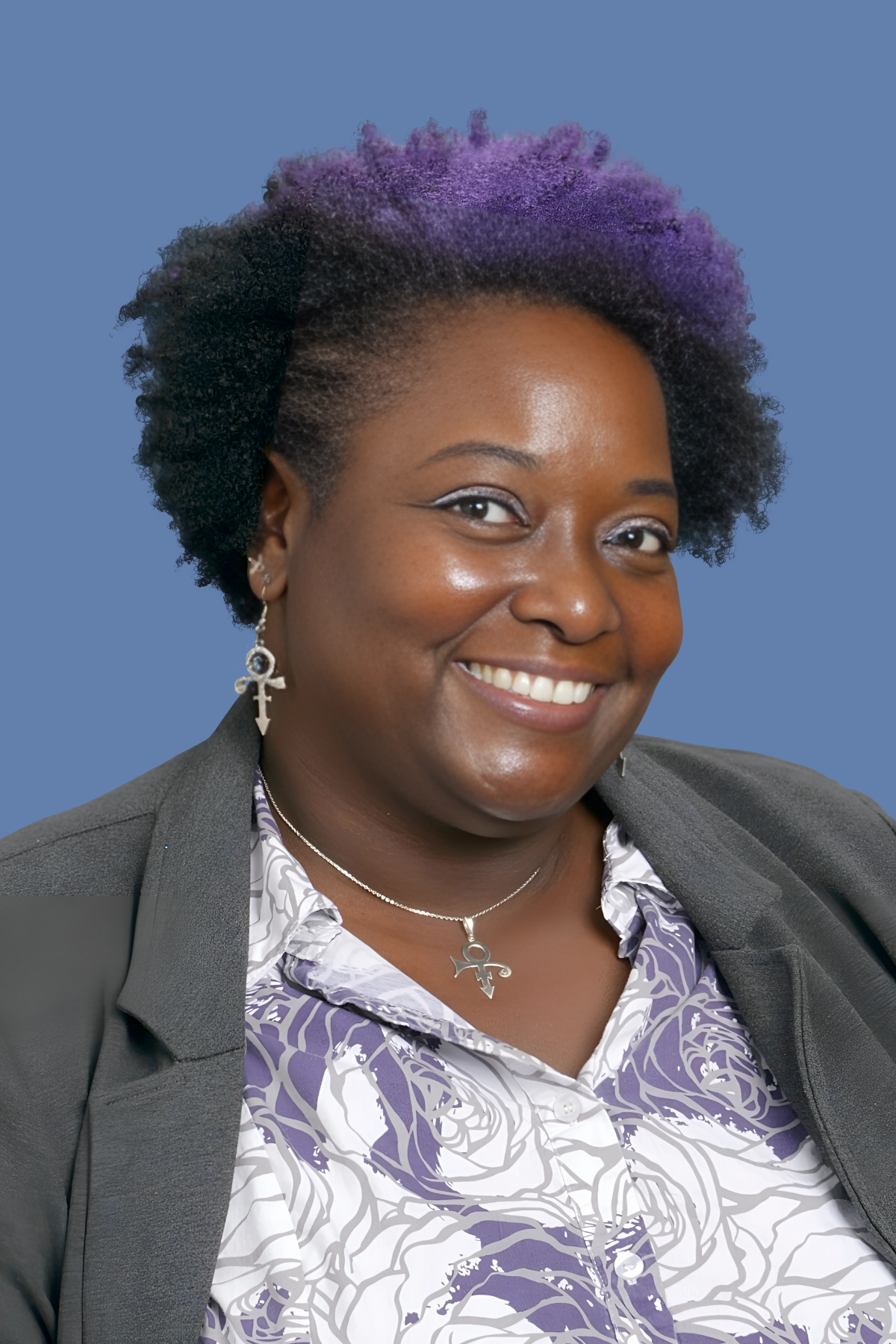
Lathyrelle Isler, MSEd, SSP

Lathyrelle Isler is a school psychologist specializing in social-emotional learning, early intervention, emotional disturbance, ADHD, autism, and down syndrome. She has been a program supervisor, academic coordinator, behavior specialist, case management coordinator, school psychologist, job coach, and mentor in school, healthcare, and local organization settings. Outside of her professional work, she enjoys traveling and exploring the food and music scene. Lathyrelle is a school psychologist with her Masters of Science in Education in School Psychology and has a respecialization certification in Applied Behavior Analysis.

Looking for CEUs? Click "01 | Listen" below!

Project Bace

Build an effective, individualized functional skills program for your low-incidence students.
Join the next cohort to develop your instructional environment, responses to behaviors, functional academics, and more!
High-Leverage Practice #5:
Interpret and communicate assessment information with stakeholders to collaboratively design and implement educational programs.
Teachers interpret assessment information for stakeholders (i.e., other professionals, families, students) and involve them in the assessment, goal development, and goal implementation process. Special educators must understand each assessment’s purpose, help key stakeholders understand how culture and language influence the interpretation of data generated, and use data to collaboratively develop and implement individualized education and transition plans that include goals that are standards-based, appropriate accommodations and modifications, and fair grading practices, and transition goals that are aligned with student needs.
Empty space, drag to resize
When it comes to making that connection, you have to put it very concretely and use the language that they can understand.

Lathyrelle Isler, MSEd, SSP

Empty space, drag to resize


Host: Heather Volchko

Guest: Lathyrelle Isler

This week, we're talking about High Leverage Practice#5: interpreting and communicating assessment information to collaboratively design and implement educational programs. And Lathryelle, I'm excited to hear your take on this because you've come from that world of community mental health. A lot of these students come with a ton of reports from people well outside of even the educational world that our classroom practitioners then have to make sense of and really engage with the program that they're running with that kid in their classroom. So, for you, what does this practice look like?

For me, I think that you have to combine those two worlds. I fortunately have that mental health piece as well as the education piece. And one of the things I noticed is that there's very much a disconnect between the two. And you have to find and connect with that person who knows how to connect those two worlds and be able to explain it in a way that's very concrete and on a level that the person you are working with can understand.

A lot of times when we get these IEPs together, and we finish the assessments, one of the things we have to have is an eval results meeting. And one of the things that I like to do is do my summary, even within my report, in such a way that is very basic in the language that's presented. I want people to understand- and even if it's something where I can't really break it down in the summary, I'll definitely read the summary, explain what that summary means, and then intentionally ask questions. Is there anything that you didn't understand? Anything that you want me to explain more? One of the things I always do when I'm finished with my presentation of the results is: “If you have any questions later on, please contact me.” And I make sure they emphasize that because it's a lot to take in, especially with initials. That's a lot of information to take in. There's a lot of professional jargon that's involved in that, and we're trying to connect the dots for people, not just for the parents, but for the teachers, of how this was going to look in the classroom.

But it's hard to do within a 45-minute to an hour meeting for your students. So I always say the IEP is a working, living document. If you have questions, they always come back to it and ask people about what's going on, and if the child is making progress or not, you just come back and say, okay, this is what I'm seeing. And I think when you have that mentality as well as when you do your eval, and you explain things, to where you connect those pieces, that on the education side works.

Now, when you have an eval from the outside, it's a little more complicated because they don't necessarily say, okay, well, this is going to a school, this is going to teachers, this is going to parents, this is going... They just say, this is the professional jargon. This is going to another professional who's going to be able to understand. And that may or may not be true. There are a lot of eyes that will look at this document.

So, fortunately for me, I've been able to look at the mental health component side of it. And so if a child has mental health issues or medical issues, I kind of know that jargon already. And so I try to explain that to them. Google's your friend. Look some of these things up and if you still don't understand, hopefully you have like a nurse in your building when it comes to very intense medical conditions, or you have somebody that you can reach out to or a resource that can reach out for you to that person that can get that information so they can explain to you what it looks like, how it will be seen in the classroom.

A lot of times, the NOAA psych reports are just very concrete, very to-the-point information, and it's just reporting out information. One of the most important things is the recommendations, the resources and the links that they have in there. Those things will also help people make the connection between what's in that report and what a parent might see in the home, as well as what teachers might see.

And so all those pieces are there to help in a very good report. But again, it's a lot of extra work that you have to do. And then once you implement all those things, I know it's a lot, but once you implement all those things, now you put that into your classroom, and you see how your student responds. And that's probably the most important part. How does your student respond? What you read in all the information, all those dots that you connected, are you seeing that in the classroom? Are the students responding to your goals in a way that's positive? Are there adjustments that you have to make? Again, the IEP is a living document. You have to adjust it for what the child is showing you in the end. So I know it's a lot of information, but that's kind of how all of this is interconnected.

I appreciate how accessible you have been to help both in that translation effort, to help in understanding what those practices are, or even help teams recognize this is what this field or industry calls it, this is what you call it, and you're already doing that in your classroom. So you're reading it and you're thinking that it's something that you've never heard of before or there's another thing that you have to do when you come to find out actually you're already doing it or you just need to adjust a little something and then it's actually right in alignment with whatever this outside expert in this corner of their field is recommending for the schools because like you had said not everybody understands the education system. And so they just see the individual, and they make recommendations for the individual, and sometimes juggling that with 30 individuals is really challenging for the practitioner to make sense of in their classroom.

So I'm curious for you, as you're walking these practitioners through making sense of very complex, both evaluation data or different assessment pieces that are coming from a variety of different stakeholders at the table, how do you help them bring it together and make sense of, okay, so what does this mean for me? Like, what do I actually need to do to help this kid? Or what does this report actually say? How do you walk your practitioners through it? I know you said Google's your friend and look up some basics, or maybe you've got a nurse or someone who can help out locally, but it's still a lot of information. How do you help people really process through all of it that they're being given and get to something that's really workable for that kid?

Well, one of the things I like to do is when I'm explaining the results, I'll ask the parents or the teacher, “Is this what you see in the classroom? Have you seen this at home?” And you could see them process. The brain is starting to think, ‘Do I see this at home? Oh, is that what I was seeing? And I didn't know what it was called, or I didn't know that was part of what the issue was.’ So one of the things I always do, “do you see this at home?” “Do you see this in the classroom?” Or “this is what it looks like in the classroom.”

So having something tangible that that person could see, almost on a daily basis, can make that connection for that staff or for that parent to where now they realize, ‘oh, it wasn't just me.’ ‘Oh, it was something that has a name.’ ‘Oh, there are people here to help me. There are people who see it, too.’ So I think when it comes to making that connection, you have to put it very concretely and use the language that they can understand.

And visuals help make sure that you're engaging that parent, that teacher, to say, “hey, this is what you're seeing. This is what you need to look at. This is what this particular diagnosis means. This is why you see it in your classroom this way. This is how it affects your goal writing, your IEPs, and how they socialize. So with all those things that you're seeing in a classroom, this is what the doctor says it is. This is what the therapist says it is.” And so, again, making those connections between those two documents, making that connection between the two documents in your classroom or the home setting, makes it much more concrete and understandable. That's pretty much how I try to leave the meetings, is making sure that people have an understanding of this is what they were seeing. And they saw it in a very short amount of time. Two to three hours, if that much. You see it in six hours at school for the teacher, and you see it as a parent every day. So if all of us are seeing it and we all know what it looks like, then we could all be on the same page to come up with a goal that works for that student, to be positive for that student, and we could all work to do better for that student. And that's ultimately what you want to do, which is help the student.

I love having these conversations with you because I can just see you light up when you're like, and this is how this connects, and this is where this can go. And I enjoy the experience and the expertise you bring to our team. But I can also just picture people listening to this and being like, “Well, it would be great if I could work with her.”

So before we log off for this week, I'm thinking of those practitioners who are just like, “yeah, I wish this all made sense. I wish I could just call up Lathyrelle and be like, hey, I have these reports. Make this make sense.” How would you encourage local practitioners who want to understand their students? Like, they want to put these pieces together. They want to make sense of all of that they're receiving from all of these people and really do right by that student, by their classroom, by their program. How would you encourage them to engage with who they may have around them at the local level so that they can actually start doing what they really want to do?

Well, for me, it's kind of easy because I love learning. So I go in with a mindset, I'm going to learn something new, and it's going to be something else in my toolkit, and I get a chance to spread it to somebody else. So that's my mentality. Some people don't have that, or they don't feel- What's the word I'm looking for? They don't have the internal fire to do that. And so one of the things I think is that you have to go in, it's kind of almost selfish that if you get to know this information, if you learn the words, the vocabulary, and be able to connect it to your classroom, things will get easier for you. Things will flow more easily for you because now you're not doing all this extra work all the time. So you might have to put in some extra work on the front end. But once you get all those things into your toolkit, it becomes second nature.

And one, it helps make your day easier. But also, you can teach this to other people, and it makes everybody on the same page. You also have to step out of your comfort zone and reach out to people, make those connections with other people, other professions. Network. A lot of schools have social workers. A lot of schools have therapists who come in from the outside. Housing specialists. Get to know all those other people if you can. Whether you start off with a “hello, good morning” every day, but then start to ask, “hey, what do you do?” “Hey, do you know about this?” “Do you know about this?” “Hey, can you look at this for me?” So again, just as you engage and develop relationships with your parents and the students, you do the same thing with your co-workers who work in the school with you or outside providers who come in and work. You might even have to reach out to the provider who wrote the report.

As long as you have permission to do so and you get the right documentation to do so, you could reach out to them. Be like, “Hey, can you give me more of an explanation about this?” So you just have to kind of look for that information and try to reach out to people to get that information. If you're lucky enough, you have those people in your school. If not, you just have to make that extra phone call to understand what's going on.

I love that we took this whole conversation, starting with focusing on this assessment piece, and it ended with, ‘actually, people talk differently in reports than they talk to people. So build your network, call the professionals, reach out and engage with those around you in whatever way you can to really understand what's going on.’ Which is just such a better way of looking at education. It's not ‘how do I read this report and learn this vocabulary and just know all of these things.’

It's ‘how do I actually find my people so that when I have those questions, and I have those needs, or I want that clarification or to understand how it really impacts me and my practice, I've got someone that I can actually call in to speak into that space.’ Because, of course, as a teacher, we are not experts in all things, but in Special Ed, my goodness, are we anticipated or expected to be experts in so many things. And yes, there's such wisdom in not having to be the expert in all the things, but to be surrounded by different people who I can go to as a practitioner who are those experts in each of those corners.

So thank you for taking this conversation and moving it from, yes, assessment. Like, it's good to capture those things in that evaluatory piece, but at the end of the day, it's really, ‘do we have the network of people around us that can support, encourage, translate, and really, like, help us make sense of how we can serve our students the best?’

And the flip side of that is that you never know if that practitioner who wrote that report is looking for a connection in their network to education. So you might become that network person for them, and that person might come to you about questions, because you'll be very surprised by how many practitioners do not know how education works. As someone who worked in mental health, I can tell you there are a lot of questions I had as a mental health worker until I switched over to education. I was like, “oh, so this is how this works.”

So, we don't really connect the way we should, but this is a chance for you to make that connection and foster new relationships, or how outside providers work with your school, work with you, work with your classroom. And it's another tool in your kit that you can use every day. And it helps your students, helps you, helps your parents, and overall, it helps the student. And that's the ultimate goal that we want to do.

Absolutely. Well, thank you so much for taking the time to talk through this High-Leverage Practice with me this week. You are the perfect person for this conversation because you've lived both worlds, and you're making sense of all of it in education right now. So thank you for sharing your expertise and encouraging folks to reach out. It's awesome.

Thank you. And I appreciate being able to provide this information to people, and hopefully it'll help both fields grow.


Empty space, drag to resize
I always say the IEP is a working living document. If you have questions, they always come back to it and ask people about what's going on and if the child is making progress or not.

Lathyrelle Isler, MSEd, SSP

Empty space, drag to resize

In the context of the Individuals with Disabilities Education Act (IDEA), the collaborative effort of a dedicated team plays a pivotal role in shaping the educational journey of students with disabilities. At the heart of this process is the development of the Individualized Education Program, or IEP, which relies heavily on the expertise of a team comprised of both key professionals and family members. This team works together to craft an IEP that is tailored to the unique needs of each student, ensuring that their educational experience is both personalized and effective.

For special education teachers, this means engaging deeply with assessment information to understand each student's strengths and needs. They are not just passive participants but active collaborators, using their insights to help create an educational plan that maximizes student progress. Their role extends beyond the initial development of the IEP; it includes the ongoing implementation and evaluation of the plan. This requires a clear and consistent communication of assessment results to all team members, including other teachers, staff, and families.


A crucial aspect of this communication is making assessment information accessible and understandable. It’s not uncommon for parents to feel overwhelmed during IEP meetings, often struggling to grasp the information being presented. By involving parents early in the assessment process, we help demystify these results and integrate their cultural and linguistic contexts, which is essential given that students from diverse backgrounds are disproportionately represented in special education.


When families are well-informed and actively involved, they can better appreciate the purpose of assessments and how the data is used to set goals and tailor supports. This involvement not only enhances their understanding but also fosters a respectful partnership between families and the educational team. Sharing assessment data with parents before meetings allows them to prepare questions and engage more meaningfully, easing their anxiety and helping them feel more in control of the process.


Moreover, special education teachers often find themselves advocating for families during team meetings, ensuring that assessment data is presented in a clear and comprehensible way. They also facilitate discussions that help the team address any concerns and identify necessary supports. The ongoing dialogue around assessment results and their implications is critical, as it informs adjustments to instruction and ensures that the educational interventions are effective.


In essence, special education teachers are central to ensuring that the IEP process is both inclusive and responsive, with a clear focus on maximizing each student’s educational opportunities through effective communication and collaboration.


When it comes to assessment data, a key challenge is translating that information into something actionable and understandable for everyone involved in a student's education. This aspect of the process is deeply interconnected with several high-leverage practices, specifically those focusing on collaboration. The goal here is to make sure that every piece of data—whether it’s about a student’s strengths, needs, or current performance levels—is accessible and clear to all stakeholders.


A frequent hurdle in this process is the tendency for assessment reports to be loaded with jargon and technical language that can obscure the real meaning. If stakeholders cannot fully grasp the data, their ability to contribute effectively to the student's educational planning is compromised. This is where the expertise of a special educator becomes crucial. They need to craft communication strategies that break down complex information into digestible, understandable terms.


When the entire team has a clear and accurate understanding of the assessment results, they are better equipped to make valuable contributions to developing the Individualized Education Program (IEP). Effective communication ensures that everyone is on the same page, which is essential for crafting an educational plan that truly supports the student’s growth and success.


Teachers who effectively interpret and communicate assessment information gather and interpret assessment results and communicate assessment results to develop IEPs.


Effective teachers excel in interpreting and communicating assessment information by taking a thoughtful, organized approach. A crucial part of this process involves preparing and reviewing assessment data well in advance of an IEP meeting. This early preparation allows teachers to sift through the information, identify and highlight the key findings that reveal both the strengths and needs of their students.


When analyzing assessment results, it's important to place them in context—not just in relation to the student's past performance but also alongside their peers. This perspective helps in understanding where a student stands relative to others at their grade level. Additionally, for students from culturally and linguistically diverse backgrounds, teachers must consider how language and cultural factors might influence the interpretation of these results.


By synthesizing data from various sources, teachers can create a comprehensive overview of each student's strengths and needs. This synthesis then informs decisions about appropriate accommodations, modifications, and grading practices. The goal is to ensure that the educational plan reflects a nuanced understanding of each student’s unique profile, leading to more effective and individualized support.


In the realm of interpreting and communicating assessment information, teachers play a pivotal role in shaping effective IEPs. To ensure that all key stakeholders, including families, are well-informed, it's essential to distill the assessment data into a clear, comprehensive summary. This might take the form of a summary sheet, guide, or table that organizes the data in an easily digestible format.


Preparing this summary in advance of the IEP meeting is crucial, as it gives team members the opportunity to thoroughly review and reflect on the results before they come together. This preparation time sets the stage for meaningful discussions during the meeting, allowing for collaborative problem-solving and a shared understanding of the student's needs and strengths.


Once the IEP is in place, the collaboration doesn't stop. Teachers need to work closely with general education colleagues and other key stakeholders to continuously monitor how the student responds to the instructional plans across different settings. This ongoing dialogue ensures that the plan remains effective and responsive to the student's evolving needs.


For school leaders aiming to support their teachers effectively, it's crucial to focus on a few key areas. Start by providing clear guidance and models on how to communicate assessment results to families and other collaborators. This ensures that teachers have a concrete understanding of how to present this information in a way that is accessible and meaningful.


Feedback and coaching are also vital. Offering constructive input on how educators can improve the clarity of their reports helps them tailor their communication to different audiences. This, in turn, fosters better collaboration and understanding among all parties involved.


Professional development plays a significant role, too. Providing instruction and resources on monitoring student progress with IEPs, as well as how to utilize assessment data within tiered support systems like Response to Intervention (RtI) or Multi-Tiered System of Supports (MTSS), equips teachers with the tools they need to support their students effectively.


Creating and maintaining appropriate structures and supports is essential. Ensure that both general and special education teachers, along with related service personnel, have access to the necessary resources to deliver their services. Additionally, establishing clear procedures, defined roles, and well-organized teams promotes smooth operation and clarity in the delivery of services.


Fostering an inclusive culture is also important. Encourage all staff members to take collective responsibility for every student’s progress. Lastly, staying informed about student progress helps empower both staff and families to collaborate effectively, ultimately enhancing the educational experience for students.


Policy outlines the essential roles and considerations for IEP teams when assessing and interpreting results for culturally and linguistically diverse students. Yet, each IEP team and each student's assessment data bring unique characteristics and nuances to the table. In this context, the special education teacher is crucial in guiding the entire team through the complexities of assessment data. This data forms the bedrock upon which appropriate educational services are built.


The special education teacher’s role goes beyond just presenting data; it's about fostering a deep understanding among team members. Effective communication of assessment results is key to developing and implementing IEPs that truly support students with disabilities. By continuously sharing and discussing these results, the team ensures that the IEPs are not only well-informed but also effective in achieving positive outcomes for each student.

Empty space, drag to resize